









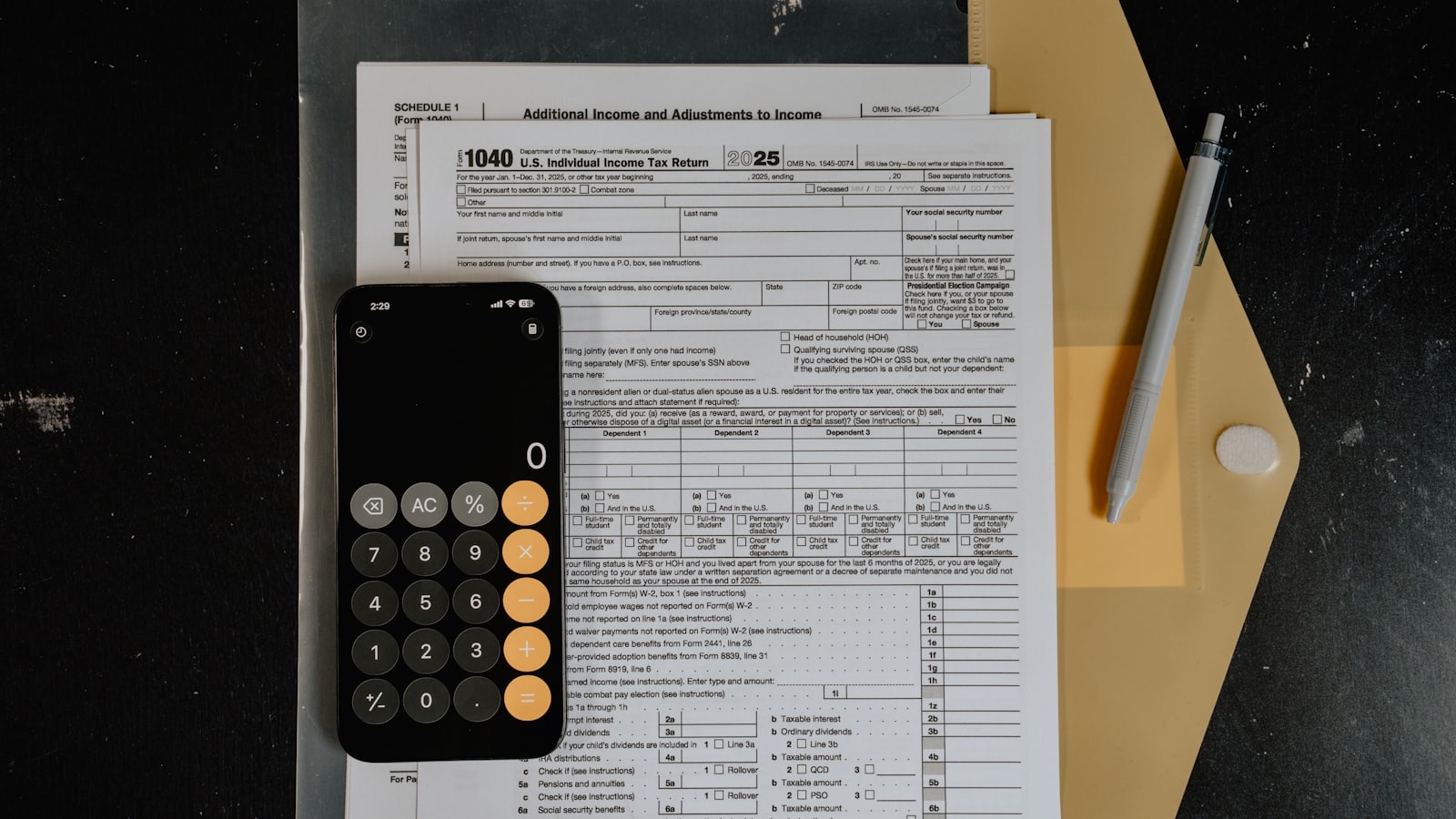







Many Americans abroad find out about their US filing obligations years too late — a foreign bank asks for their US tax details under FATCA, or they read that citizenship-based taxation means they've owed returns the whole time. The instinct is to panic, and the wrong move is either to do nothing or to quietly slip in a few back returns and hope no one notices. The IRS built a designed, forgiving path for exactly this situation: the Streamlined Filing Compliance Procedures. For expats whose failure to file was non-willful — an honest mistake, not deliberate evasion — the program lets you get fully current by filing three years of returns and six years of FBARs, and the version for taxpayers living abroad waives the failure-to-file, failure-to-pay, and FBAR penalties entirely.
The catch is that "streamlined" does not mean casual. The program turns on a certification of non-willfulness that you sign under penalty of perjury, and it's only available while the IRS hasn't already opened an examination. Get the eligibility analysis right and the streamlined path is one of the most taxpayer-friendly programs the IRS offers. Get it wrong — misjudge willfulness, or file after the IRS is already looking — and you can convert a fixable problem into a serious one. This guide covers who qualifies, what you file, and where the traps sit.
What the streamlined program actually is
The Streamlined Filing Compliance Procedures are the IRS's structured amnesty-style path for taxpayers who fell out of compliance without meaning to. There are two tracks: the Streamlined Foreign Offshore Procedures (SFOP) for taxpayers who meet a non-residency (living-abroad) requirement, and the Streamlined Domestic Offshore Procedures (SDOP) for those inside the US. The two differ in one enormous way — the foreign version, for expats, carries no miscellaneous offshore penalty, while the domestic version imposes a 5% penalty on the highest aggregate account balance.
For a genuine expat, in other words, the program can resolve years of missed filings with no penalty at all — you pay only the tax actually owed on the three amended years plus interest. That's the design: the IRS would rather have non-willful taxpayers come into compliance voluntarily than chase them, so it made the price of coming clean deliberately low for those who qualify.
| Feature | Streamlined Foreign (expats) | Streamlined Domestic (US residents) |
|---|---|---|
| Non-residency requirement | Must meet it | Does not apply |
| Income tax returns required | 3 years | 3 years |
| FBARs required | 6 years | 6 years |
| Miscellaneous offshore penalty | None | 5% of highest aggregate balance |
| Certification form | Form 14653 | Form 14654 |
| Tax + interest owed | Yes | Yes |
Who qualifies — the eligibility gates
Before anything else, three gates decide whether you can use the program at all. Miss one and the streamlined path is closed to you.
Non-willful conduct
Your failure to report income, pay tax, or file FBARs must have resulted from negligence, inadvertence, mistake, or a good-faith misunderstanding of the law — not a deliberate attempt to evade.
No IRS examination underway
The IRS must not have already initiated a civil examination or criminal investigation of your returns for any year, regardless of whether it relates to the foreign issue.
Valid Taxpayer Identification Number
You must have a valid SSN or ITIN to make a streamlined submission. If you need an ITIN, you apply for it as part of the process.
Meet the non-residency test (foreign track)
For the penalty-free Foreign Offshore version, you must satisfy the IRS non-residency requirement — generally, in at least one of the last three years you did not have a US abode and were physically outside the US for at least 330 days.
The non-residency test for the foreign track is specific: in one or more of the three years covered, you must not have had a US abode and must have been physically outside the United States for at least 330 full days. Meet it, and you're on the penalty-free path. Fall short, and you're in the domestic version with its 5% penalty — a meaningful difference that turns on where you actually lived.
The non-willful certification — the heart of the submission
Every streamlined package includes a signed certification — Form 14653 for taxpayers abroad — in which you attest, under penalty of perjury, that your conduct was non-willful and you explain why you failed to comply. This narrative is the single most important part of the filing. A thin, boilerplate certification invites scrutiny; a specific, honest account of how the failure happened is what makes the submission credible.
Whether conduct was "non-willful" is a legal determination with real consequences, and it is not something to guess at. Signing a false non-willfulness certification is itself a serious offense. If there's any indication of willfulness — you knew about the obligation and chose to ignore it, you moved money to avoid reporting, you gave your bank instructions to hide US ties — the streamlined program is the wrong door, and the IRS Criminal Investigation Voluntary Disclosure Practice may be the correct one instead. This is exactly where professional analysis before filing pays for itself many times over.
What you file — assembling the package
A complete Streamlined Foreign Offshore submission is a specific bundle, and the IRS is precise about its contents. Everything goes to a designated processing location, not filed the way a normal return is.
- Three years of delinquent or amended Form 1040 returns, with all required international information returns (e.g. Forms 8938, 5471, 8621) attached
- Six years of delinquent FBARs, e-filed separately with FinCEN, noting they're filed under the streamlined procedures
- A completed and signed Form 14653 certifying non-willful conduct and explaining the failure
- Payment of all tax due on the three amended years, plus statutory interest
- Your valid SSN or ITIN on every return in the package
A key point people miss: the returns must include the international information returns that were missing, not just the Form 1040 itself. Unreported foreign corporations (Form 5471), foreign trusts, and passive foreign investment companies (Form 8621) all carry their own steep standalone penalties, and the streamlined program is what shelters you from them — but only if you actually include them in the package.
Why the streamlined path beats a "quiet disclosure"
The tempting shortcut — just amending a couple of returns and e-filing the missing FBARs without going through the formal program, a so-called "quiet disclosure" — is a trap. It gives up the streamlined program's penalty protection while doing nothing to reduce your exposure, and the IRS has specifically warned that quiet disclosures don't qualify for streamlined relief.
Streamlined Foreign Offshore Procedures
- Explicit penalty waiver for qualifying expats
- IRS-sanctioned, documented compliance path
- Non-willful certification protects against information-return penalties
- Clear, defined scope: 3 years returns, 6 years FBARs
- Closes the exposure with certainty
Quiet disclosure (do not do this)
- No penalty protection whatsoever
- IRS has warned it does not qualify for relief
- Leaves information-return penalties fully live
- Can look like an attempt to avoid detection
- Resolves nothing — exposure stays open
If you're a US taxpayer abroad who has fallen behind, the Streamlined Foreign Offshore Procedures are usually the right way home: three years of returns, six years of FBARs, tax and interest paid, and — for qualifying expats — no penalties. The whole thing hinges on two questions you must answer honestly before filing anything: was your conduct genuinely non-willful, and has the IRS already started looking? Get those right, assemble the full package including the missing international information returns, and write a specific non-willfulness certification. Skip the quiet-disclosure shortcut entirely. When willfulness is even arguable, get professional advice before you sign — the certification is made under penalty of perjury, and that's not a form to guess on.
Get current — the right way, the first time
Talk to our team about your situation — reviewing your eligibility and gathering complete records is what makes a streamlined filing package resolve years of missed filings without inviting a penalty or an audit.
Talk to an expat tax proSources
- IRS — Streamlined Filing Compliance Procedures (overview)
- IRS — U.S. Taxpayers Residing Outside the United States (Streamlined Foreign Offshore Procedures)
- IRS — Certification by U.S. Person Residing Outside of the United States (Form 14653)
- IRS — Delinquent FBAR Submission Procedures
- IRS — Options for Filing a U.S. Tax Return (Voluntary Disclosure Practice)
Frequently asked questions
They're an IRS program that lets US taxpayers who failed to report foreign income or file required foreign account forms — because of non-willful conduct — get compliant by filing three years of amended or delinquent returns and six years of FBARs. Taxpayers living abroad who qualify under the Streamlined Foreign Offshore Procedures pay no failure-to-file, failure-to-pay, or FBAR penalties.
Non-willful conduct is conduct due to negligence, inadvertence, mistake, or a good-faith misunderstanding of the law — not a deliberate choice to hide income or evade tax. You certify your non-willfulness under penalty of perjury on Form 14653 (for taxpayers abroad), and that certification is the heart of the submission.
Three years of the most recent delinquent or amended income tax returns, and six years of delinquent FBARs (FinCEN Form 114). You pay any tax due on those three years plus interest, but qualifying expats abroad avoid the penalties that would otherwise apply.
Generally no. The Streamlined Procedures are only available if the IRS has not already initiated a civil examination or criminal investigation of your returns for any year. If you're already under audit, or your conduct was willful, you need a different path — such as the Voluntary Disclosure Practice — and should get professional advice before filing anything.
