









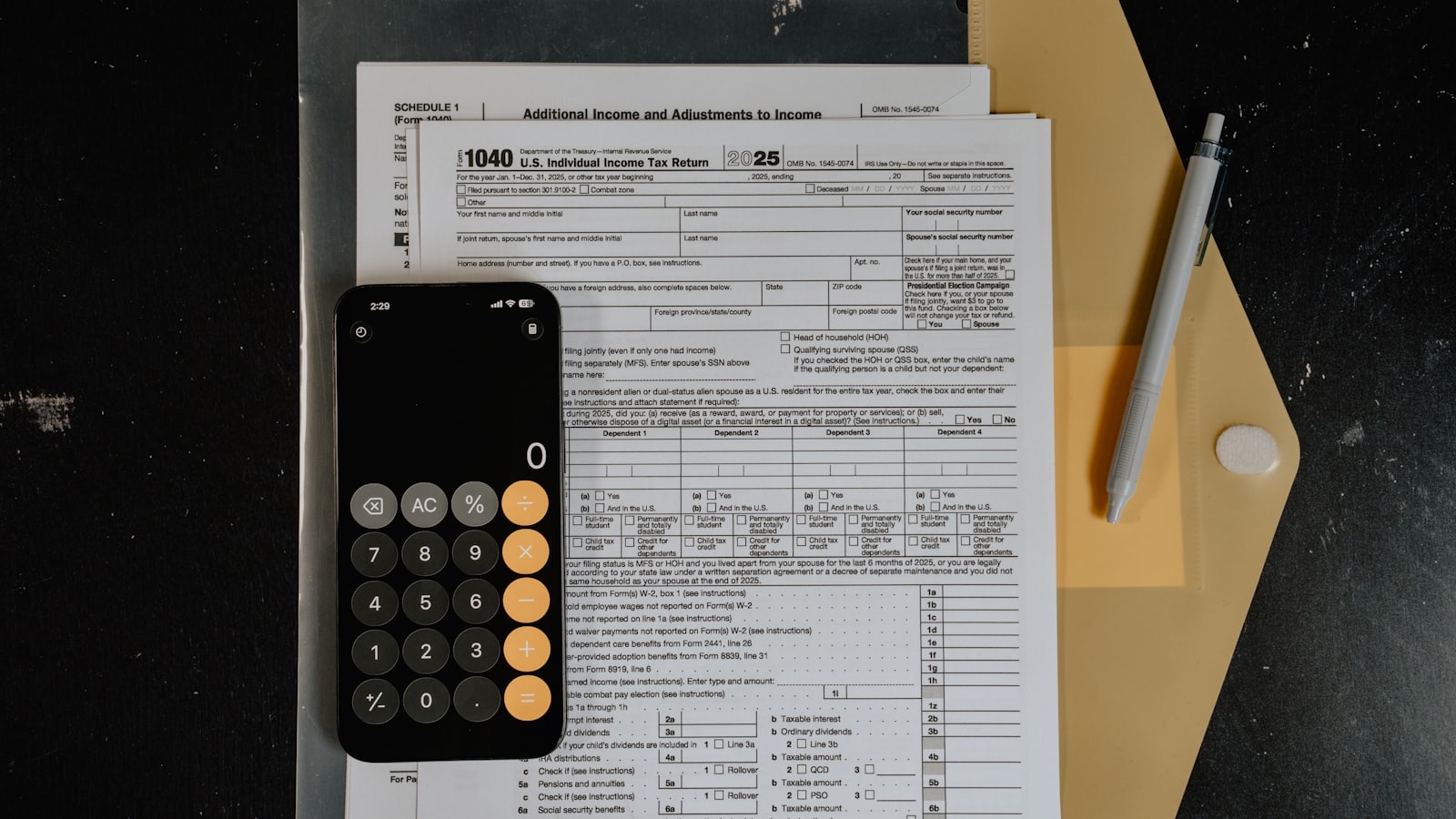







A CP2000 lands in the mailbox and the heart rate spikes: the IRS says you owe more, sometimes a lot more. Take a breath. A CP2000 is not a bill — it's a proposed change generated by the IRS's Automated Underreporter (AUR) program, which compares the income on your return against the W-2s, 1099s, and other forms that employers and banks filed under your Social Security number. When the numbers don't match, the computer flags it and proposes an adjustment. A human hasn't reviewed your specific situation, and the proposal is frequently wrong or incomplete.
That distinction matters because it means you have real options and a real deadline — generally 30 days from the date on the notice — to respond. You can agree, partially agree, or disagree, and in many cases you can knock out a proposed accuracy-related penalty entirely. What you cannot do is ignore it. Silence tells the IRS you agree, and the proposal hardens into a Statutory Notice of Deficiency, after which your options narrow to Tax Court. The whole game is responding correctly and on time.
What a CP2000 actually is
The CP2000 is the output of a matching program, not an audit. No examiner has pulled your file. A computer noticed that a number a third party reported to the IRS doesn't line up with your return, and it generated a proposed correction. That means the notice can be wrong in both directions — it can miss deductions or basis you're entitled to, and it can flag income you actually did report on a different line.
| CP2000 is... | CP2000 is NOT... |
|---|---|
| An automated matching notice | A discretionary audit of your whole return |
| A proposed adjustment | A final bill or assessment |
| Based only on third-party forms | A complete review of your facts |
| Something you can dispute | The last word from the IRS |
| A preserved-rights document if you respond on time | Something safe to ignore |
Because it's automated, common triggers are mundane: a 1099 you forgot to enter, stock sales where the IRS sees the gross proceeds but not your cost basis, a retirement distribution, or income reported to the wrong line. Many CP2000s shrink dramatically once the missing context is supplied.
Read the notice before you react
The single biggest mistake is paying or panicking before understanding what the notice claims. Every CP2000 lays out exactly which items the IRS is questioning and what it proposes. Work through it methodically.
Find the response deadline
It's printed near the top. Everything else keys off this date — put it on the calendar immediately.
Read the proposed changes line by line
The notice lists each income item the IRS matched, the amount, and who reported it. Identify exactly what it's flagging.
Pull your return and source documents
Compare the flagged items against your filed return, W-2s, 1099s, and brokerage statements to see whether the IRS is right.
Check for missing basis or offsetting items
Especially for stock or property sales, the IRS often sees gross proceeds without your cost basis — which can turn a big proposed gain into a small one or a loss.
Decide: agree, partially agree, or disagree
Your response depends on what your documents show. You are not limited to accepting the proposal wholesale.
A large share of alarming CP2000s involve securities sales. The broker reports the total proceeds to the IRS, but if your basis wasn't reported, the AUR program may treat the entire proceeds as gain. A $50,000 sale of stock you bought for $48,000 is a $2,000 gain — but the notice might propose tax on $50,000. Supplying the basis (from your brokerage's Form 1099-B or your own records) typically collapses the proposed amount. Never pay a CP2000 on securities without checking the basis first.
The three ways to respond
Your CP2000 comes with a response form and check boxes. You choose one of three paths, and each has a clean process. The essential rule is the same across all three: respond in writing, by the deadline, with documentation.
If the IRS is right (agree)
- Check the box indicating you agree with the changes
- Sign and return the response form by the deadline
- Pay the balance, set up a payment plan, or note you'll be billed
- Consider whether reasonable cause removes any penalty
- Keep a copy of everything you send
If the IRS is wrong or partly wrong (disagree)
- Check the disagree (or partial) box on the response form
- Write a clear explanation of what's wrong and why
- Attach documentation — basis records, corrected forms, proof income was reported
- Sign and mail (or fax) by the deadline
- Request removal of any proposed accuracy penalty in the same letter
Partial agreement is common and perfectly legitimate: you might accept a forgotten 1099 but reject the proposed penalty, or accept one item and dispute another. Address each flagged item on its own terms. The IRS reviews what you send and either accepts your position, adjusts the proposal, or moves to the next stage.
Beating the accuracy-related penalty
Many CP2000s tack on an accuracy-related penalty — commonly 20% of the underpayment — for substantial understatement or negligence. This penalty is frequently avoidable. It is not automatic and it does not apply if you had a good reason for the position or if the notice is simply wrong.
- Reasonable cause and good faith — you made an honest effort to comply and had a legitimate reason for the position
- The income was actually reported, just on a different line — so there's no understatement at all
- You relied in good faith on a professional or on erroneous third-party forms
- The underlying adjustment itself is wrong, which eliminates the penalty base
- A first-time or isolated error with an otherwise clean compliance history
Ask for penalty relief in the same response, not later. If you're agreeing to the income adjustment but the omission was an honest oversight — a 1099 that arrived late, a form you never received — say so and explain the reasonable cause in writing. Framing it clearly the first time is far more effective than agreeing now and appealing the penalty afterward.
What happens if you miss the deadline
Missing the CP2000 response window doesn't mean the door is shut forever, but it changes the terrain and generally for the worse. The proposal escalates, and your recourse becomes more formal and time-sensitive.
| Stage | What it means for you |
|---|---|
| You respond on time | IRS considers your position; proposal may be reduced or dropped |
| You miss the CP2000 deadline | IRS typically issues a Statutory Notice of Deficiency (90-day letter) |
| Notice of Deficiency arrives | You have 90 days to petition the U.S. Tax Court without paying first |
| You miss the 90-day window | The tax is assessed; you generally must pay, then pursue a refund claim |
| Balance goes unpaid | Collection begins — liens, levies, and additional interest accrue |
Treat a CP2000 as what it is — a computer-generated proposal you can push back on, not a verdict. Read it line by line, pull your return and source documents, and check for missing cost basis or income you already reported before assuming the IRS is right. Respond by the deadline whether you agree, partially agree, or disagree, attach documentation for every disputed item, and request removal of any accuracy penalty in the same letter with a clear reasonable-cause explanation. Responding correctly and on time is what keeps a proposal from ever becoming a bill.
Got a CP2000? Don't respond alone
MK Tax & Accounting reviews the notice against your actual records, drafts a documented response, disputes wrong adjustments, and fights the accuracy penalty — so a matching error doesn't turn into a bill you never owed.
Talk to a tax proSources
- IRS — Understanding Your CP2000 Notice
- IRS — Automated Underreporter (AUR) Program overview
- IRS — Topic No. 652, Notice of Underreported Income – CP2000
- IRC Section 6662 — Accuracy-Related Penalty
- IRS — Notice of Deficiency and Your Right to Petition the U.S. Tax Court
Frequently asked questions
No. A CP2000 is a proposed change to your return generated by the IRS's automated underreporter program, which matches the income reported on your return against forms like W-2s and 1099s filed by third parties. It shows a proposed additional amount, but it is not a final assessment — you have the right to agree, partially agree, or disagree before anything becomes a bill.
The notice states a specific response deadline, generally 30 days from the date on the notice (about 60 days if you're outside the United States). Responding on time preserves your options. If you don't respond, the IRS typically follows with a Statutory Notice of Deficiency, after which your main recourse is petitioning the U.S. Tax Court.
Often, yes. If the proposed change includes an accuracy-related penalty, you can request its removal by showing you had reasonable cause and acted in good faith. Responding promptly, correcting genuine omissions, and providing documentation all help. If the underlying income was correctly reported and the notice is simply wrong, the penalty shouldn't apply at all.
Check the box indicating you disagree, explain why in writing, and attach documentation — corrected forms, basis records, proof the income was already reported, or evidence the third-party form was wrong. Sign and return it by the deadline. If the IRS doesn't accept your explanation, you'll receive a Notice of Deficiency, which preserves your right to Tax Court.

