









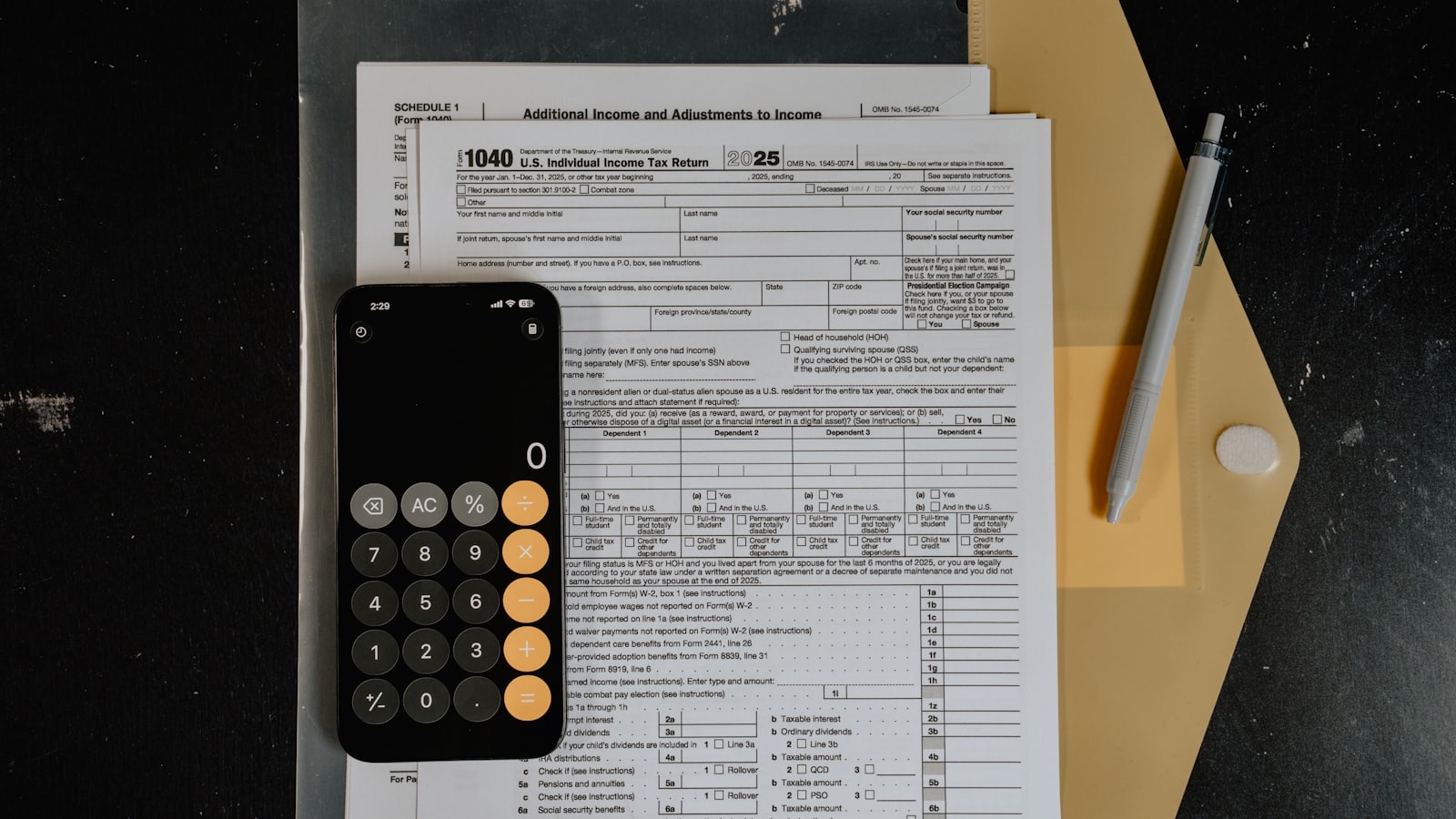







Section 179 and bonus depreciation let small businesses deduct the cost of qualifying purchases immediately instead of over years of regular depreciation. Used together they can dramatically reduce taxable income in a profitable year — but they're different tools with different rules, and choosing the wrong one can leave deductions on the table or create problems in a loss year.
The instinct to "write it all off" is understandable, but the smartest depreciation planning is rarely about maximizing this year's deduction. It's about placing deductions where they buy the most tax — the highest-bracket years, the years you're protecting a QBI deduction, the years you're not already sitting in a loss. Getting the mechanics right on Form 4562 is table stakes; getting the timing right is where the real money is.
Section 179 vs. Bonus Depreciation
| Feature | Section 179 | Bonus Depreciation |
|---|---|---|
| 2025 limit | $1,250,000 (indexed) | 100% of cost (OBBBA) |
| Spending cap | Phase-out at $3.13M | No cap |
| Can create a loss? | No — limited to income | Yes |
| Election | Per asset | Automatic (can elect out) |
| New or used | Both | Both |
The most important practical difference is the income limitation. Section 179 cannot exceed your business's taxable income — it cannot create a loss. Bonus depreciation has no such limit and can drive income negative, creating a net operating loss that carries forward. That single distinction drives most planning decisions.
The One Big Beautiful Bill Act restored 100% bonus depreciation for qualifying property, reversing the scheduled phase-down. For property placed in service under the new rules, the full cost can be written off in year one through bonus alone.
When to Use Each
Section 179 is the scalpel — elected per asset and per dollar, it lets you deduct exactly as much as you want, ideal for managing income to a target bracket or preserving a QBI deduction. It also covers qualified improvements (roofs, HVAC, fire and security systems). Bonus depreciation is the sledgehammer — automatic, no spending cap, and able to create a loss for a carryforward.
When both apply, the standard sequence is: Section 179 first (on the assets you choose), then bonus depreciation on the remaining basis, then regular MACRS on anything left.
Heavy Vehicles
Vehicles are where the biggest deductions — and the biggest mistakes — happen. The gross vehicle weight rating (GVWR) on the driver's-side door jamb determines which rules apply, and the difference between 5,999 and 6,001 pounds can be tens of thousands of dollars in first-year deduction.
| Vehicle class (GVWR) | First-year treatment | Key limit |
|---|---|---|
| Passenger vehicle (under 6,000 lbs) | Subject to annual luxury-auto depreciation caps | Capped first-year deduction, even with bonus |
| Heavy SUV (6,000–14,000 lbs) | Section 179 up to ~$31,300 (2025), then bonus on remaining basis | Section 179 SUV cap; bonus fills the rest |
| Heavy truck / van (6,000–14,000 lbs, qualifying) | May avoid the SUV cap depending on bed/seating configuration | Configuration-dependent |
| Vehicle over 14,000 lbs | Often fully expensed via 179 and/or bonus | Not subject to luxury-auto or SUV caps |
Every one of these deductions requires more than 50% business use, and the deduction is prorated by the business-use percentage. Just as important: if business use later drops to 50% or below before the recovery period ends, you must recapture part of the deduction as ordinary income. Keep a contemporaneous mileage log — a reconstructed one after the fact is exactly what an auditor expects to see fail.
A Framework for the Annual Decision
The right amount to deduct is a planning question you answer each year with your projected numbers in hand — not a reflex to expense everything.
Project taxable income for the year
Estimate net profit before depreciation so you know which bracket you're in and how much deduction you can actually use.
Identify your protected thresholds
Note any bracket line, the QBI (Section 199A) income limits, and whether you want to avoid creating a loss this year.
Use Section 179 to fine-tune
Elect exactly enough 179 on chosen assets to bring income down to your target — no more — since 179 can't create a loss anyway.
Apply bonus to the rest (or elect out)
Let 100% bonus sweep the remaining basis if you want a larger deduction or a carryforward loss; elect out by class if you'd rather spread it.
Let MACRS handle the remainder
Anything not expensed depreciates on its normal schedule, preserving deductions for future higher-income years.
In a strong year near a QBI phase-out, deducting less can be worth more. The 20% qualified business income deduction is limited once taxable income crosses the threshold, so a depreciation deduction that drops you just under the line can be worth far more than the deduction itself — it can rescue the full QBI benefit. Run the QBI math before you sign off on a big write-off.
Section 179 is a scalpel — deduct exactly what you want, but it can't create a loss. Bonus is a sledgehammer — full expensing, even into a loss. The best plans use both: 179 to fine-tune income to a target, bonus to capture the rest. The wrong move is reflexively expensing everything in a year when spreading deductions preserves a lower bracket or a QBI deduction.
Buy the equipment — but deduct it strategically
MK Tax & Accounting models Section 179 against bonus depreciation on your actual projected income, protects your QBI deduction, and files Form 4562 correctly — so every purchase lands in the year it saves you the most.
Talk to a tax proSources
- IRS — Publication 946, How To Depreciate Property (IRS.gov)
- IRS — Additional First-Year Depreciation Deduction (Bonus), IRC Section 168(k) (IRS.gov)
- IRS — Instructions for Form 4562, Depreciation and Amortization (IRS.gov)
- IRC Section 179 — Election to Expense Certain Depreciable Business Assets (Congress.gov)
- One Big Beautiful Bill Act, Pub. L. 119-21 — Restoration of 100% Bonus Depreciation (Congress.gov)
Frequently asked questions
Section 179 is elected per asset, limited to a dollar cap and to your business income (it cannot create a loss). Bonus depreciation applies automatically to qualifying property, has no spending cap, and can create or increase a loss. Most plans use both.
Yes, but the deduction depends on the vehicle's weight and business-use percentage. Passenger vehicles face annual luxury-auto caps; heavy SUVs (6,000–14,000 lbs) have a specific 179 cap but can then use bonus; vehicles over 14,000 lbs can often be fully expensed. Business use must exceed 50%.
No. In a low-income year, spreading depreciation into future higher-income years can be worth more. Near a bracket or QBI threshold, deducting exactly enough — not everything — can preserve a larger benefit.
If business use of Section 179 property (including vehicles) falls to 50% or below before the end of its recovery period, you must recapture the excess deduction — the difference between what you expensed and what regular depreciation would have allowed — as ordinary income. Tracking business-use percentage each year is essential to avoid an unexpected recapture bill.


