









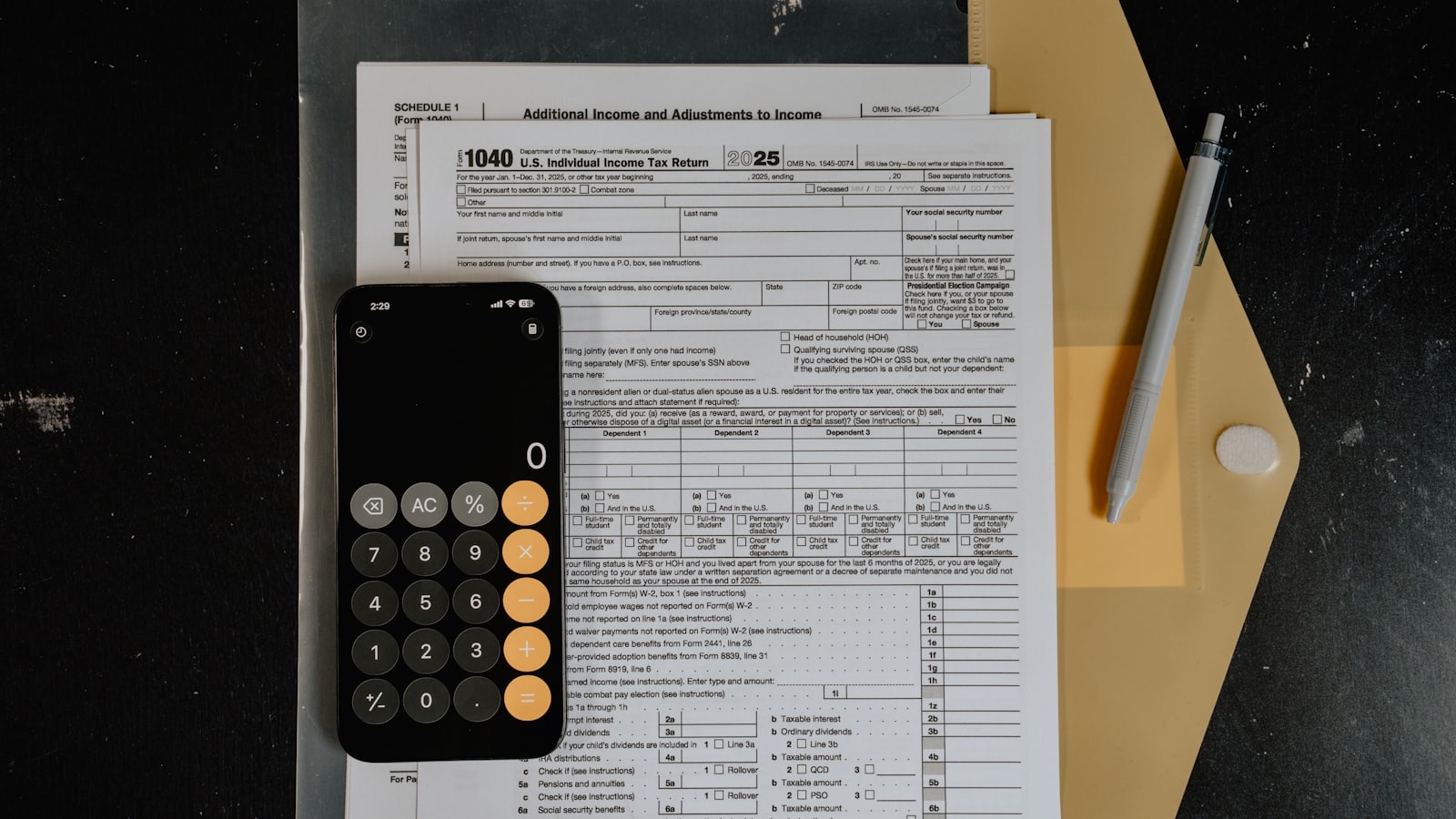







For decades, the hard part of foreign operations was getting the money home. Profits sat in foreign subsidiaries because bringing them back triggered a US dividend tax, so US multinationals famously stockpiled trillions offshore. The 2017 law flipped that logic. Today, a US C corporation can often repatriate foreign profits with no additional US income tax, thanks to the Section 245A participation exemption — a 100% deduction for qualifying foreign dividends. And earnings already taxed under GILTI or Subpart F carry a previously taxed income (PTEP) balance that generally comes home tax-free because you already paid.
But "often tax-free" is not "automatically tax-free." The 245A deduction has a holding-period test and eligibility limits, PTEP has to be tracked to be used, and even an exempt distribution can throw off a foreign-currency gain that's taxable on its own. The order in which earnings are distributed, whether the US owner is a corporation or an individual, and the state of your PTEP records all change the answer. This guide shows how to bring profit home cleanly — and where owners still trip and pay twice.
The participation exemption: why dividends home can now be tax-free
The centerpiece of modern repatriation is Section 245A, the participation exemption. It grants a US C corporation a 100% dividends-received deduction for the foreign-source portion of a dividend received from a specified 10%-owned foreign corporation. The practical effect: a qualifying dividend flows into the US corporation's income and then gets fully deducted, so it produces no additional US income tax.
This is what shifted the calculus from "trap the earnings offshore" to "bring them home when it makes business sense." But the exemption is targeted, not universal — it belongs to corporate shareholders. An individual or a pass-through owning a foreign corporation generally does not get 245A on a distribution, which is one of the strongest reasons a profitable foreign operation is often held under a US C corporation rather than directly.
US C corporation shareholder
- Eligible for the Section 245A 100% DRD
- Qualifying foreign dividends come home tax-free
- Must clear the 365-day holding period
- Pairs with the GILTI regime already in play
Individual / pass-through shareholder
- Generally no 245A deduction on distributions
- Dividends can be taxable when repatriated
- Often plans via a C-corp holding company or Section 962
- Makes PTEP tracking even more important
The deduction covers only the foreign-source portion of the dividend, requires the holding-period test, and is subject to anti-abuse rules that can deny it for certain "hybrid" dividends and specific fact patterns. It is powerful but conditional — a dividend that clears every requirement is tax-free, and one that misses a requirement can be fully taxable. That gap is exactly where planning earns its keep.
Previously taxed income: don't pay twice on money you already reported
Under GILTI and Subpart F, a US shareholder is taxed on foreign earnings the year they're earned, even without a distribution. That would be double taxation if those same earnings were taxed again when finally distributed — so the law creates previously taxed earnings and profits (PTEP). Earnings that have already been taxed to you are tagged as PTEP and generally come out tax-free when later distributed.
The mechanism only works if you keep the books. PTEP is tracked as a running balance per foreign corporation, and distributions are treated as coming out of PTEP before they touch untaxed earnings. Lose the PTEP records and you can't prove a distribution was previously taxed — the practical result of which is paying US tax a second time on income you already reported.
| Earnings layer | Tax when distributed | Why |
|---|---|---|
| PTEP (GILTI / Subpart F already taxed) | Generally tax-free | You already paid US tax on it |
| Section 245A-eligible E&P | 0% via participation exemption | 100% DRD for corporate shareholder |
| Untaxed, non-qualifying earnings | Potentially taxable | Not previously taxed and not 245A-eligible |
| Return of capital / basis | Not a dividend | Recovered basis, then capital gain beyond it |
The ordering matters because distributions climb these layers in a set sequence. Understanding which layer a dividend comes out of — and having the records to support it — is what separates a genuinely tax-free repatriation from one that quietly generates a bill.
The currency trap: why "tax-free" can still create a taxable gain
Here's the wrinkle that surprises owners: a distribution can be exempt from income tax and still produce a taxable foreign-currency gain. Under Section 986(c), when PTEP is distributed, the dollar value of those earnings may have moved between the time they were taxed and the time they're distributed. That currency movement is recognized separately as gain or loss — so an otherwise tax-free PTEP distribution can throw off a small taxable gain (or a deductible loss).
Because PTEP distributions carry embedded currency exposure, the timing of a distribution isn't only about cash needs and holding periods — it can also determine whether you realize a 986(c) gain or a loss. When a foreign subsidiary holds a large PTEP balance and the exchange rate has moved meaningfully, coordinate the distribution date with your tax advisor rather than defaulting to year-end. Small timing changes can flip a gain into a loss.
A clean repatriation, step by step
Bringing money home tax-efficiently is a sequence, not a single election. Run it in order and the distribution is clean; skip a step and you risk a holding-period failure, a wasted exemption, or an untracked PTEP balance.
Confirm the shareholder is eligible
245A belongs to US C corporations. If the owner is an individual or pass-through, decide whether a C-corp holding company or a Section 962 election should be in place before distributing.
Reconcile the PTEP balance
Pull the per-CFC PTEP schedule so you know how much can come home tax-free as previously taxed income before touching other earnings.
Check the 245A holding period
Verify the corporate shareholder has held the foreign stock more than 365 days within the required window, especially near any acquisition or sale.
Order the distribution correctly
Distributions come out of PTEP first, then other earnings — map which layer funds the dividend so you know the tax result before you wire the cash.
Model the currency gain
Estimate any Section 986(c) foreign-currency gain or loss on the PTEP piece and time the distribution to your advantage.
Document and file
Record the distribution against the PTEP schedule, adjust stock basis, and report it on the CFC's Form 5471 and your return so next year's balances start clean.
Done in this order, most repatriations by a corporate owner land at or near zero additional US tax — the exemption and PTEP do their job, and the only moving piece is a modest currency gain or loss. The expensive outcomes almost always trace back to a skipped step: a blown holding period, a lost PTEP schedule, or an individual owner distributing without the corporate structure that would have made 245A available.
Repatriation is no longer the tax wall it once was — but the tax-free result is earned, not automatic. For a US C corporation, Section 245A can bring qualifying foreign dividends home with a 100% deduction, and PTEP (earnings already taxed under GILTI or Subpart F) generally comes home tax-free on top of that. Confirm the shareholder is a corporation (or fix the structure first), clear the 365-day holding period, reconcile and order distributions out of PTEP first, and model the Section 986(c) currency gain so "tax-free" isn't undone by an untracked exchange move. Plan the distribution and it's clean; wing it and you can pay twice on money you already reported.
Ready to bring foreign profits home?
How you bring foreign earnings home — and the order you do it in — can be the difference between a clean distribution and a surprise double tax. Talk to our team before you repatriate, so the numbers work in your favor.
Talk to a tax proSources
- IRC Section 245A — Deduction for Foreign-Source Portion of Dividends Received from Specified 10-Percent-Owned Foreign Corporations
- IRC Section 246(c) — Holding Period Requirement for Dividends-Received Deductions
- IRC Section 959 — Exclusion from Gross Income of Previously Taxed Earnings and Profits (PTEP)
- IRC Section 986(c) — Foreign Currency Gain or Loss on Distributions of Previously Taxed Earnings
- IRS — Instructions for Form 5471 (Schedules J and P, E&P and PTEP tracking)
- IRC Section 951A — Global Intangible Low-Taxed Income (GILTI)
Frequently asked questions
Often, if the US owner is a C corporation. Section 245A gives a 100% dividends-received deduction for the foreign-source portion of dividends from a 10%-owned foreign corporation, so qualifying dividends can come home with no additional US income tax. Individuals and pass-throughs generally don't get 245A, which is the key planning distinction.
PTEP is earnings that were already taxed to the US shareholder under GILTI or Subpart F, even though they weren't distributed at the time. When those earnings are later distributed, they generally come out tax-free because you already paid US tax on them — you just have to track the PTEP balance to prove it.
Yes. The Section 245A dividends-received deduction requires the US corporate shareholder to satisfy a holding-period test — more than 365 days within a specified window around the dividend. Distributions on stock that flunks the holding period don't qualify, so timing a dividend near an acquisition or disposition needs care.
PTEP distributions can throw off foreign-currency gain or loss under Section 986(c) because the dollar value of the earnings can move between when they were taxed and when they're distributed. That currency movement is recognized separately, so even a distribution that's otherwise tax-free can produce a small taxable gain or a loss.
