









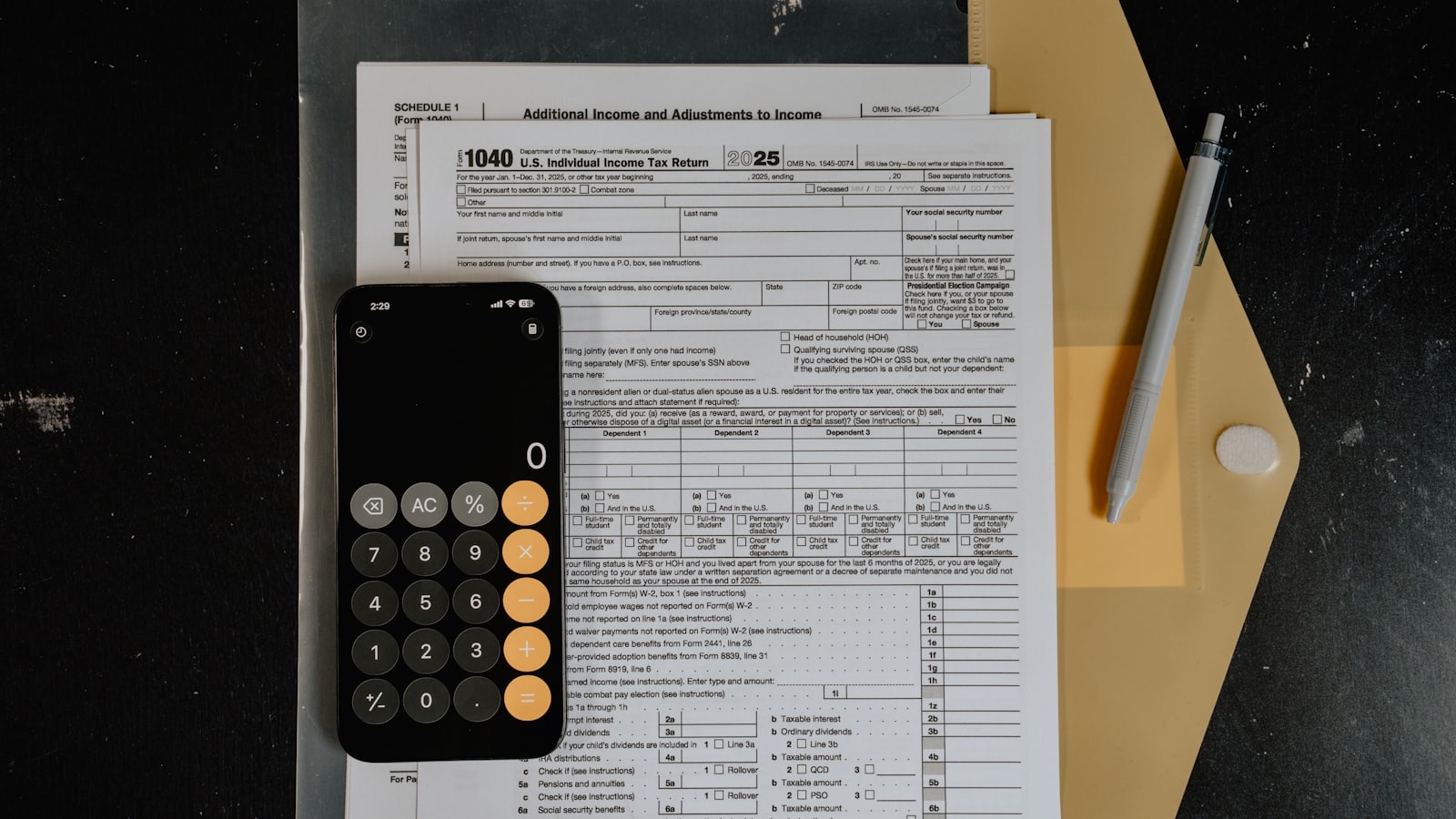






Almost every tax-exempt organization in the country files an annual information return in the Form 990 family, and the version you owe is decided by one thing: your size. A small community group with $50,000 or less in gross receipts files a postcard-length 990-N; a mid-sized charity files the 990-EZ; a large organization files the full Form 990; and a private foundation files the 990-PF no matter how small. The return is due the 15th day of the 5th month after your fiscal year closes — May 15 for the calendar-year filers who make up most of the sector.
The stakes are higher than a late fee. Fail to file a required 990-series return for three consecutive years and the IRS automatically revokes your exempt status — no notice required, no appeal available. Thousands of organizations lose their exemption this way every year, most of them small groups that assumed the postcard didn't matter. The 990 is also a public document: donors, grantmakers, and charity watchdogs read it. Getting it right is both a compliance obligation and a reputation exercise.
The four returns in the 990 family
"File a 990" is shorthand for a family of returns. Choosing the wrong one — or filing a postcard when you owed a full return — is treated as a failure to file. Start by matching your organization to the right form.
| Your organization | Return to file |
|---|---|
| Gross receipts normally $50,000 or less | Form 990-N (e-Postcard) |
| Gross receipts under $200,000 AND total assets under $500,000 | Form 990-EZ (or full 990) |
| Gross receipts $200,000+ OR total assets $500,000+ | Form 990 (full) |
| Private foundation (any size) | Form 990-PF |
| Church or certain church-affiliated org | Generally not required to file |
The word "normally" matters for the 990-N threshold. The IRS looks at an averaging test across your recent years, not a single spike — so one unusually large grant year doesn't necessarily push a genuinely small organization out of the e-Postcard. When you are near a threshold, the safer choice is to file the longer return.
Form 990-N: the e-Postcard is still a filing
The 990-N is deceptively simple — eight items, filed online, no financial detail — which is exactly why organizations forget it. It still counts as one of your three consecutive filings, so skipping it puts your exemption on the same revocation clock as skipping a full return.
- Your legal name and any other names you operate under
- Your mailing address and website, if you have one
- Your Employer Identification Number (EIN)
- The name and address of a principal officer
- Confirmation that gross receipts are normally $50,000 or less
- A statement if the organization is going out of business
There is no paper version of the 990-N and no extension available for it — you either file it online by the deadline or you don't. Because it carries no financial data, treat it as a five-minute annual reminder, not an accounting project. The danger is never its difficulty; it's being forgotten.
Form 990-EZ vs. the full Form 990
Between the postcard and the full return sits the 990-EZ, available to organizations under $200,000 in gross receipts and $500,000 in total assets. It's shorter, but "EZ" is relative — it still reports revenue, expenses, program accomplishments, and officer compensation.
Form 990-EZ
- Gross receipts under $200,000 and assets under $500,000
- Four core pages plus required schedules
- Revenue, expenses, and net assets summarized
- Program-service accomplishments in narrative
- A lighter lift for a genuinely mid-sized org
Form 990 (full)
- Gross receipts $200,000+ or assets $500,000+
- Twelve parts plus up to sixteen schedules
- Detailed governance and policy disclosures
- Functional expense allocation across programs
- The document large donors and grantmakers scrutinize
Both versions must be filed electronically — paper filing of the 990 and 990-EZ was phased out under the Taxpayer First Act. Whichever you file, the schedules often carry the real work: Schedule A (public charity status), Schedule B (contributors), and Schedule O (supplemental narrative) show up on most returns.
The deadline — and how to extend it
The 990 follows a 5-month rule rather than the April date individuals know. Miss it, and monetary penalties start accruing per day before the three-year revocation clock even becomes the concern.
Find your fiscal year-end
Most nonprofits use a calendar year ending December 31, but many run July–June or another cycle. The deadline keys off this date.
Count five months plus 15 days
The return is due the 15th day of the 5th month after year-end. Calendar-year filers land on May 15.
File Form 8868 for an automatic extension
One request buys an automatic 6-month extension — pushing a calendar-year deadline to November 15. No reason required. The 990-N cannot be extended.
File electronically before the extended date
The 990, 990-EZ, and 990-PF are all e-file only. Build in time for your preparer and board review before the deadline.
For organizations with gross receipts under $1.274 million, the penalty for filing late without reasonable cause is generally $25 per day, up to a maximum of $12,500 per return; larger organizations face steeper per-day amounts and a higher cap. Those dollars accrue every year you're late — long before the three-year automatic revocation becomes the real crisis. Filing an extension you don't end up needing costs nothing; missing the deadline is never free.
Automatic revocation: the three-year cliff
This is the rule that catches the most organizations off guard. Under IRC Section 6033(j), missing three consecutive required filings automatically ends your exempt status. There's no warning letter that stops the clock and no appeals process once it happens.
When your status is revoked, your organization is no longer exempt from federal income tax, donors can no longer deduct contributions, and your name appears on the IRS Auto-Revocation List — a public database that grantmakers check. To get exemption back, you must file a new exemption application (Form 1023 or 1024), pay the user fee again, and in some cases request retroactive reinstatement. The cleanup costs far more time and money than the filings would have.
Treat the 990 as a public document
Unlike an individual return, the 990 is designed to be read. The IRS makes it public, and you must furnish your three most recent returns to anyone who asks. Charity-rating sites republish them, and sophisticated donors read the narrative before writing checks.
The parts most people rush — Schedule O narratives, the program-accomplishment descriptions, the mission statement — are exactly the parts your donors and grantmakers read. A 990 that clearly explains what you did with the money and states officer compensation without surprises builds trust; a sloppy or evasive one raises questions. Write the narrative sections for a skeptical outside reader, not for the IRS.
Match your organization to the right return by size — 990-N under $50,000, 990-EZ under the $200,000/$500,000 thresholds, full 990 above them, 990-PF for private foundations. File by the 15th day of the 5th month after year-end (May 15 for calendar-year filers), and use Form 8868 for a free 6-month extension if you need it. Never skip a year, even the e-Postcard: three consecutive misses trigger automatic, non-appealable revocation. And because the 990 is public, write the narrative sections for the donors and grantmakers who will read them.
Keep your exemption — and your reputation — intact
MK Tax & Accounting matches your organization to the right 990-series return, files it on time, and makes the public sections work for your donors. Based in Oakland Park, FL, serving nonprofits across South Florida.
Talk to a nonprofit tax proSources
- IRS — Annual Electronic Filing Requirement for Small Exempt Organizations (Form 990-N, e-Postcard)
- IRS — Form 990 Series Which Forms Do Exempt Organizations File
- IRC Section 6033 — Returns by Exempt Organizations (including 6033(j) automatic revocation)
- IRS — About Form 8868, Application for Extension of Time To File an Exempt Organization Return
- IRS — Exempt Organizations Annual Reporting Requirements: Penalties
- IRS — Automatic Revocation of Exemption for Non-Filing
Frequently asked questions
It depends on your gross receipts and assets. Organizations with gross receipts normally $50,000 or less file the 990-N e-Postcard. Those with gross receipts under $200,000 and total assets under $500,000 may file the 990-EZ. Above either threshold, you file the full Form 990. Private foundations file Form 990-PF regardless of size.
The 15th day of the 5th month after your accounting period ends — May 15 for a calendar-year organization. You can request an automatic 6-month extension with Form 8868, which pushes a calendar-year deadline to November 15. The 990-N e-Postcard cannot be extended.
Federal law automatically revokes tax-exempt status for any organization that fails to file a required 990-series return for three consecutive years. Revocation is automatic — there is no appeal — and you must reapply for exemption and pay the user fee to get it back.
Yes. The 990 is a public-disclosure document. The IRS publishes it, and your organization must provide copies of its three most recent returns on request. Donors, watchdogs, and grantmakers routinely read it, so treat the narrative sections as your public face — not just a compliance chore.
