









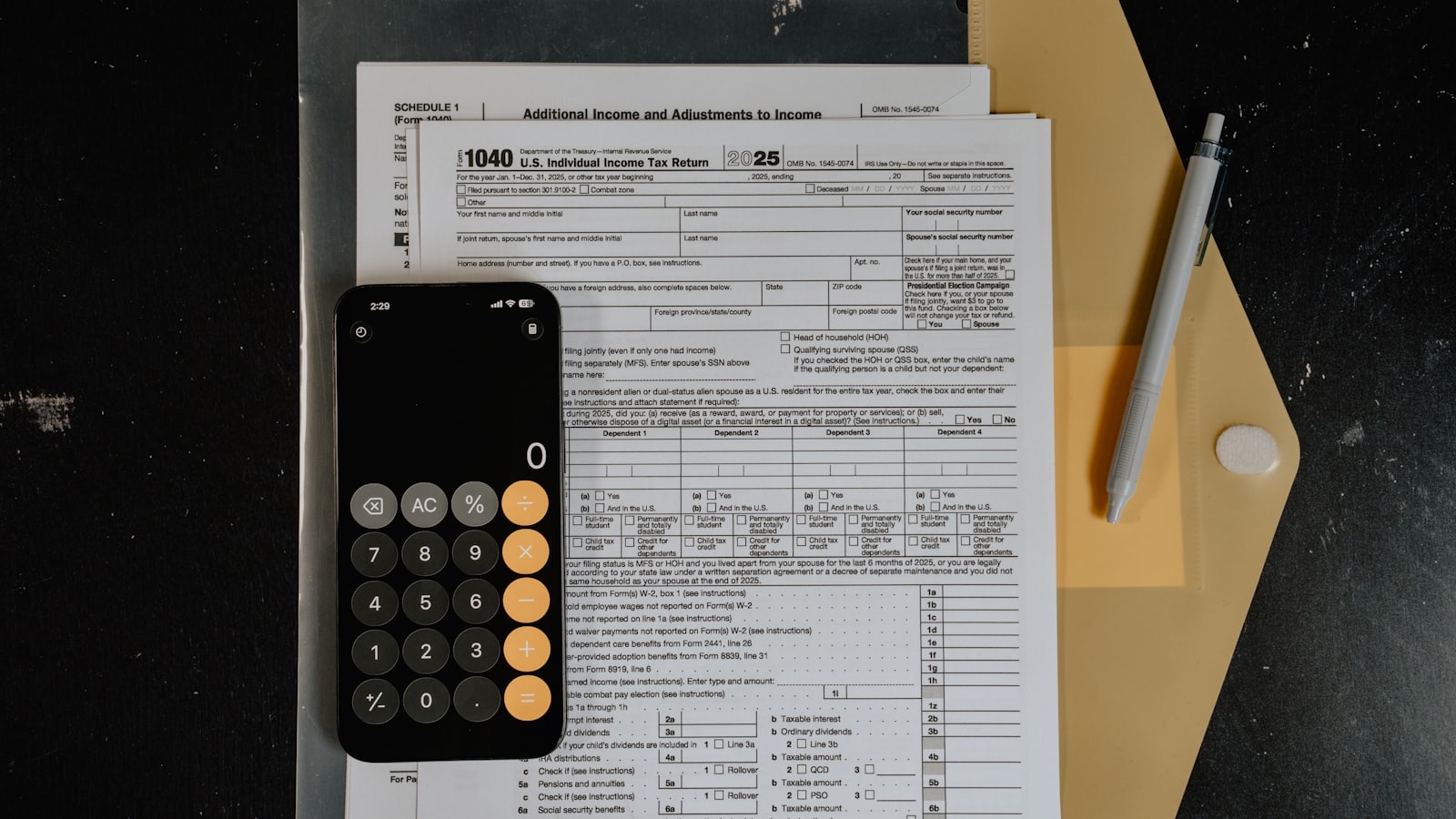







If you owe the IRS more than you can pay in one shot, an installment agreement is usually the most reliable way out. It is not a discount — you still pay the full balance plus interest and penalties — but it stops the escalation to levies and liens and puts you on a predictable monthly schedule. Individuals can generally set up a long-term plan online if they owe $50,000 or less in combined tax, penalties, and interest and have filed all required returns, with terms typically running up to 72 months. Short-term plans give you up to 180 days to pay in full with no setup fee.
The trade-off to understand going in: the meter never fully stops. Interest keeps accruing on the unpaid balance the entire time you pay it down, and the failure-to-pay penalty keeps running — cut roughly in half once you're on an approved agreement, but not eliminated. That means the fastest realistic payoff is almost always the cheapest, and stretching a plan to its maximum length is a convenience you pay for. This guide covers the plan tiers, the qualification thresholds, the setup fees, and how the accruals actually behave.
Short-term vs. long-term: pick the right lane first
The IRS splits payment plans into two families. The right choice depends on how fast you can realistically clear the balance.
Short-term payment plan
- Up to 180 days to pay in full
- No setup fee
- Available online for balances of $100,000 or less (individuals)
- Best when a bonus, tax refund, or sale will clear the balance soon
- Interest and penalties still accrue until paid
Long-term installment agreement
- Monthly payments, generally up to 72 months
- Setup fee applies (lower if you apply online + direct debit)
- Available online for balances of $50,000 or less (individuals)
- Best when you need to spread the balance over years
- Reduced failure-to-pay penalty once approved
If you can pay within 180 days, take the short-term plan — it costs nothing to set up and saves you the setup fee entirely. If you need longer, the long-term agreement is the tool, and the way you apply materially changes what it costs.
The setup fees — and how to pay the least
The setup fee is not one number. It varies by application method and payment method, and low-income taxpayers get relief.
| How you set it up | Relative cost | Notes |
|---|---|---|
| Short-term plan (180 days or less) | No setup fee | Cheapest option if you can pay in full quickly |
| Long-term, online, direct debit | Lowest long-term fee | Direct debit is required for some higher balances |
| Long-term, online, non-direct-debit | Higher fee | You mail or manually pay each month |
| Long-term, phone / mail / in person | Highest fee | Applying by non-digital methods costs the most |
| Low-income taxpayer | Reduced, waived, or reimbursed | Meeting IRS low-income guidelines lowers or eliminates the fee |
The cheapest long-term setup is always the same recipe: apply through the Online Payment Agreement tool and pay by direct debit. Direct debit also reduces the odds of a missed payment defaulting your agreement, and for balances between $25,000 and $50,000 it is generally required. If you qualify as a low-income taxpayer, the direct-debit setup fee can be waived or reimbursed — so it's worth checking that box before assuming the fee applies.
Why the interest and penalties keep running
The single most misunderstood thing about a payment plan is that it does not freeze your balance. Two separate charges keep accruing while you pay.
Interest on the unpaid balance accrues continuously and is set quarterly (the federal short-term rate plus 3 percentage points), compounding daily. Separately, the failure-to-pay penalty runs at 0.5% of the unpaid tax per month — but once you're on an approved installment agreement, that penalty is cut to 0.25% per month for individuals. Neither charge stops until the balance hits zero. This is precisely why a shorter, higher-payment plan almost always costs less in total than a longer one: every extra month is another month of accruing interest and penalty.
How to apply — and the returns you need filed first
The application path depends on your balance and whether you're an individual or a business. Current filing compliance is a hard prerequisite in every case.
File all required returns first
The IRS will not approve an installment agreement while you have unfiled returns. Get current before you apply — this is non-negotiable.
Check the online thresholds
Individuals owing $50,000 or less (long-term) or $100,000 or less (short-term) can usually apply through the Online Payment Agreement tool. Businesses owing $25,000 or less can generally apply online for a long-term plan.
Apply online, by phone, or by Form 9465
The online tool is fastest and cheapest. If you can't use it, Form 9465 (Installment Agreement Request) can be mailed, often with Form 433-F for larger balances.
Set up direct debit and stay current
Direct debit minimizes default risk. Then keep every future return filed and every future balance paid — a new delinquency can default the agreement.
For balances above the streamlined thresholds, the IRS may require a full financial disclosure (Form 433-F or 433-A) to verify you can't pay more — the same collection-information logic used in offers and hardship determinations.
Keeping the agreement alive
An installment agreement is a two-way deal, and the IRS can terminate it if you don't hold up your end.
- Make every monthly payment on time — direct debit protects you here
- File every future tax return by its deadline
- Pay any new tax balance in full, or it can default the plan
- Keep current-year withholding or estimated payments on track
- Notify the IRS if your address or financial situation changes materially
- Don't let a refund you were counting on get applied elsewhere unexpectedly
If you default, the IRS can reinstate full collection — levies, liens, the works — and charge a reinstatement fee to restart the plan. The discipline that keeps the agreement alive is the same discipline that got you approved: stay filed, stay current.
Choose the shortest plan you can realistically afford, because interest and the failure-to-pay penalty accrue the entire time — a longer term is a convenience you pay for in dollars. If you can clear the balance within 180 days, take the fee-free short-term plan. Otherwise, apply for the long-term agreement through the Online Payment Agreement tool with direct debit for the lowest setup fee and the lowest default risk. File all required returns before you apply, stay current on every future return and balance, and check whether you qualify for low-income fee relief. A payment plan won't erase what you owe, but it stops the escalation and makes the debt manageable. Florida residents deal only with the federal balance — no state income-tax plan to layer on top.
Set up an IRS payment plan the right way
MK Tax & Accounting gets you current on filings, picks the plan tier that costs you the least, and sets up direct debit so a missed payment never defaults your agreement — turning a five-figure balance into a schedule you can live with.
Talk to a tax proSources
- IRS — Payment Plans, Installment Agreements
- IRS — Online Payment Agreement Application
- IRS — Form 9465, Installment Agreement Request
- IRS — Topic No. 202, Tax Payment Options
- IRS — Failure to Pay Penalty (Internal Revenue Code Section 6651)
- IRS — Interest on Underpayments (Internal Revenue Code Section 6621)
Frequently asked questions
A short-term payment plan gives you up to 180 days to pay in full and carries no setup fee. A long-term installment agreement lets you pay monthly over a longer period — generally up to 72 months for balances that qualify — but charges a setup fee that varies by how you apply and pay. Both continue to accrue interest and the failure-to-pay penalty until the balance is gone.
Individuals can generally set up a long-term plan online if they owe $50,000 or less in combined tax, penalties, and interest and have filed all required returns. For a short-term plan, the online threshold is $100,000 or less. Businesses can typically apply online for a long-term plan if they owe $25,000 or less and have filed all returns.
No. Interest keeps accruing on the unpaid balance until it's paid in full, and the failure-to-pay penalty continues to run — though being on an approved installment agreement cuts that penalty roughly in half, from 0.5% to 0.25% of the unpaid tax per month for individuals. So a plan reduces the bleeding but doesn't stop it.
Applying online and paying by direct debit is the least expensive option — the setup fee is significantly lower than applying by phone, mail, or in person, and low-income taxpayers can have the fee reduced, waived, or reimbursed. A short-term plan of 180 days or less carries no setup fee at all if you can clear the balance in that window.
