









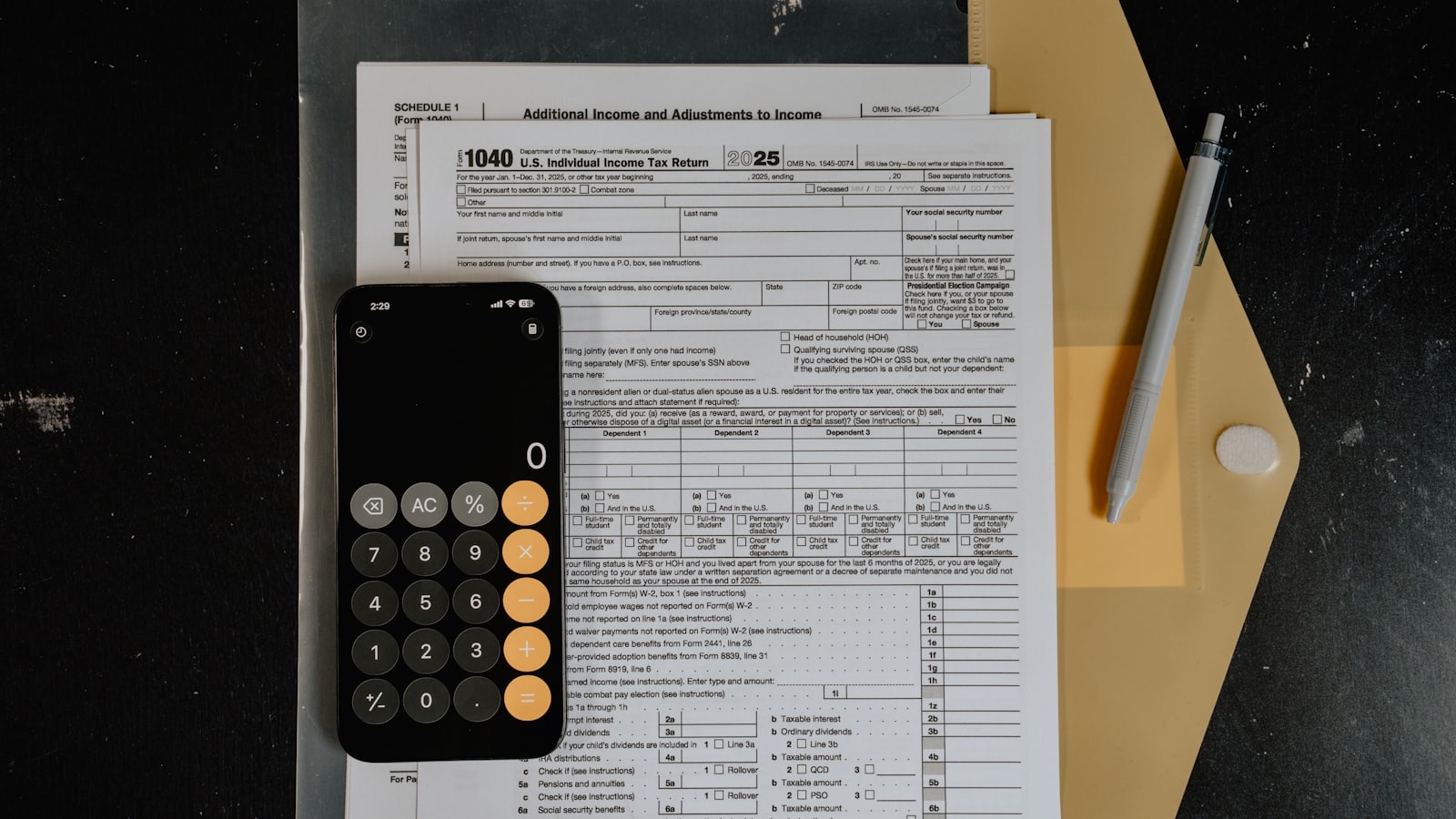







The Foreign Investment in Real Property Tax Act (FIRPTA) exists to make sure the IRS collects tax when a foreign person sells US real estate — before the money leaves the country. The mechanism is blunt: when a foreign seller disposes of a US real property interest, the buyer must withhold 15% of the gross sales price — not the profit, the entire price — and send it to the IRS. On a $700,000 sale, that is $105,000 held back at closing, regardless of whether the seller made a dime of actual gain. The rule catches people off guard because it treats the sales price, not the taxable gain, as the withholding base.
The part that surprises buyers is where the liability lands. FIRPTA makes the buyer — the "transferee" — legally responsible for withholding and remitting. Fail to withhold when the rules require it, and the IRS can come after the buyer for the full amount, plus penalties and interest, long after the seller has taken the proceeds abroad. The withholding is reported on Form 8288, due within 20 days of closing. For any transaction involving a foreign seller, FIRPTA is not optional paperwork — it is the closing item that determines who bears a six-figure risk.
What FIRPTA taxes — and what counts as a US real property interest
FIRPTA applies to the disposition of a US real property interest (USRPI) by a foreign person. Both terms have specific meanings. A foreign person is a nonresident alien individual or a foreign corporation, partnership, trust, or estate — not a US citizen or resident alien. A USRPI is broader than a house: it includes direct ownership of land and buildings, and also shares in a US real property holding corporation whose assets are largely US real estate.
The withholding base is the amount realized — generally the gross sales price, including cash, the fair market value of other property, and any liabilities the buyer assumes. This is the point that trips people up: the tax is withheld on the full price, even though the seller's actual federal tax is calculated on the gain. The gap between the two is exactly why the withholding-certificate process (Form 8288-B) exists to reduce over-withholding — covered in a separate MK Tax & Accounting article.
| Element | What it means for FIRPTA |
|---|---|
| Foreign person | Nonresident alien or foreign entity — a US citizen or resident alien is exempt |
| USRPI | Land, buildings, and interests in US real property holding corporations |
| Amount realized | Gross sales price — cash plus assumed liabilities and other property |
| Withholding base | The amount realized, NOT the seller's taxable gain |
| Who withholds | The buyer (transferee), not the closing agent or the seller |
The rate depends on price and buyer intent
FIRPTA has three tiers, and the buyer's intended use of the property matters. The default is 15%, but a lower rate — or full exemption — can apply when the buyer will live in the property and the price is modest.
| Sales price | Buyer will use as a residence? | Withholding rate |
|---|---|---|
| $300,000 or less | Yes | 0% — exempt |
| $300,001 to $1,000,000 | Yes | 10% |
| Over $1,000,000 | Yes or no | 15% |
| Any price | No (investment / rental) | 15% |
The residence exemption is real but conditional: the buyer (or a family member) must have definite plans to reside in the property for at least half of the days it is used during each of the first two 12-month periods after transfer. The exemption is a factual representation the buyer makes — it is not automatic, and if the plans are not genuine, the buyer keeps the withholding liability.
Title companies and closing agents often facilitate FIRPTA withholding, but the legal duty sits with the buyer. A buyer who relies on a residence exemption should document the intent to occupy and understand that the IRS can look back at actual use. When the exemption is uncertain, withholding and then filing for a refund or credit is far safer than skipping withholding on a bad assumption.
The seller's non-foreign affidavit: the buyer's safe harbor
A buyer only has to withhold when the seller is a foreign person. The clean way to establish that the seller is not foreign is a signed non-foreign status affidavit — a certification, under penalties of perjury, that the seller is a US citizen or resident alien, along with the seller's taxpayer identification number.
- A signed non-foreign affidavit from the seller certifying US citizen or resident-alien status
- The seller's name, US TIN (SSN or ITIN), and home address on the affidavit
- The residence exemption when the price is $300,000 or less and the buyer will occupy the property
- A withholding certificate from the IRS (Form 8288-B) authorizing a reduced or zero withholding amount
If the seller provides a valid non-foreign affidavit, the buyer generally has no withholding obligation and is protected — provided the buyer has no actual knowledge that the affidavit is false and did not receive notice from an agent that it is false. That last condition matters: the affidavit is a safe harbor only when the buyer accepts it in good faith.
Buyer vs. seller: who carries what
FIRPTA splits the economics and the legal duty in a way that is easy to misread. The tax belongs to the seller; the compliance risk belongs to the buyer.
The foreign seller
- Owes US tax on the actual gain from the sale
- Gets credit for the amount withheld against the final tax
- Files a US return (Form 1040-NR or 1120-F) to reconcile and claim any refund
- Can apply for a withholding certificate to reduce the 15% up front
The US buyer (transferee)
- Must withhold the correct amount at closing
- Files Form 8288 and 8288-A within 20 days and remits the tax
- Is personally liable for under-withholding, plus penalties and interest
- Relies on the seller's non-foreign affidavit as a safe harbor when valid
For the foreign seller, the 15% withholding is almost always more than the actual tax owed on the gain — sometimes far more, because it is calculated on the gross price. That over-withholding is recoverable, but only after filing a US tax return, which can mean waiting months for a refund. Sellers who plan ahead can apply for a withholding certificate (Form 8288-B) before closing to reduce the amount held back to the real tax liability.
Filing mechanics and the 20-day clock
The reporting is fast and unforgiving. The buyer must file Form 8288 with Form 8288-A attached and remit the withheld tax within 20 days of the closing date. The IRS stamps Form 8288-A and returns Copy B to the seller, who uses it to claim credit for the withholding on their US return.
Determine foreign status
Confirm whether the seller is a foreign person. If the seller provides a valid non-foreign affidavit, withholding is generally not required.
Calculate the withholding
Apply 15% (or 10%, or 0%) to the gross amount realized based on price and the buyer's intended use.
Withhold at closing
Hold back the withholding amount from the seller's proceeds — the closing agent typically escrows it.
File within 20 days
Submit Form 8288 and Form 8288-A and remit the tax to the IRS within 20 days of the transfer date.
Distribute Copy B
The IRS stamps and returns Form 8288-A Copy B to the seller, who uses it to claim credit for the withholding.
FIRPTA is a buyer-liability rule dressed up as a seller's tax. When a foreign person sells US real estate, withhold 15% of the gross price by default — 10% or 0% only when the buyer will occupy a lower-priced home — and file Form 8288 within 20 days. Protect the buyer with a valid non-foreign affidavit when the seller is actually a US person, and steer foreign sellers toward a Form 8288-B withholding certificate so they are not lending the IRS six figures interest-free. The seller owes the tax; the buyer owns the risk. Handle both at closing, not after.
Closing on US property with a foreign seller?
Getting the withholding amount, the Form 8288 filing, and the certificate timing right takes careful preparation. If you're on either side of a FIRPTA transaction, talk to our team before you get to the closing table.
Talk to a tax proSources
- IRS — FIRPTA Withholding (Foreign Investment in Real Property Tax Act)
- IRC Section 1445 — Withholding of tax on dispositions of US real property interests
- IRC Section 897 — Disposition of investment in US real property (USRPI definition)
- IRS — Instructions for Form 8288 (U.S. Withholding Tax Return for Dispositions by Foreign Persons of U.S. Real Property Interests)
- IRS — Form 8288-A, Statement of Withholding on Dispositions by Foreign Persons of U.S. Real Property Interests
Frequently asked questions
The default rate is 15% of the gross amount realized — the full sales price, not the seller's gain. A reduced 10% rate applies when the buyer will use the property as a residence and the price is between $300,001 and $1,000,000. Sales of $300,000 or less to a buyer who will use it as a residence can be fully exempt.
The buyer (called the transferee) is legally responsible for withholding and remitting the tax. If the buyer fails to withhold when required, the IRS can collect the unpaid amount, plus penalties and interest, directly from the buyer — even though the tax economically belongs to the foreign seller.
The buyer reports and pays the tax using Form 8288 (U.S. Withholding Tax Return for Dispositions by Foreign Persons of U.S. Real Property Interests) and Form 8288-A for each foreign seller. Both are due within 20 days of the closing date, and the withheld amount must be remitted with the return.
No. FIRPTA applies to foreign persons — nonresident aliens and foreign entities. A US citizen or resident alien (green-card holder or someone who meets the substantial presence test) is not subject to FIRPTA, regardless of where they live. The seller certifies non-foreign status in a signed affidavit to relieve the buyer of withholding.
