









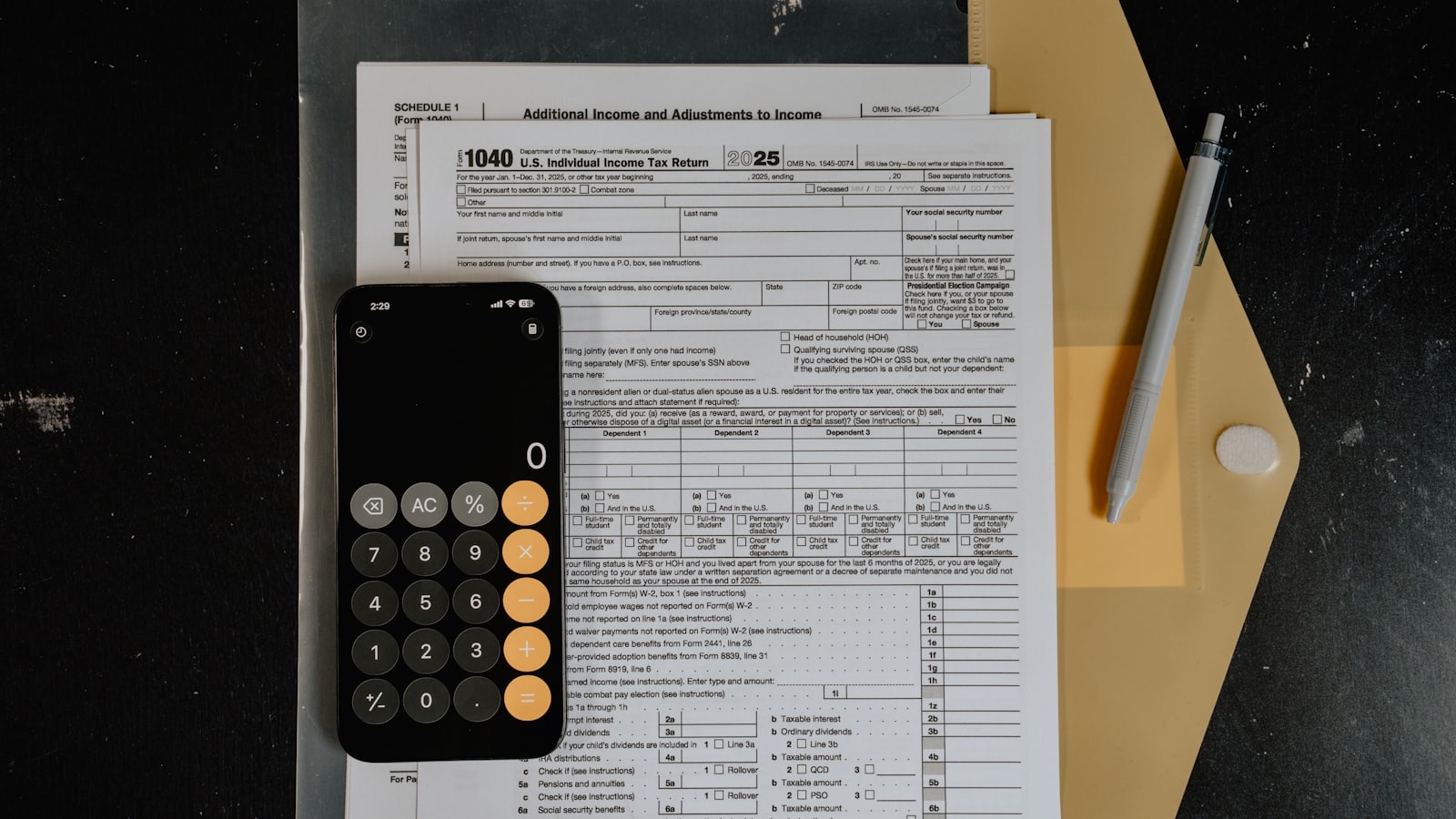







FIRPTA withholding is calculated on the wrong number. When a foreign person sells US real estate, the buyer withholds 15% of the gross sales price — but the seller's actual federal tax is on the gain. On a property bought for $600,000 and sold for $700,000, the real long-term capital gains tax might be roughly $15,000, yet the default FIRPTA withholding is $105,000. That is $90,000 of the seller's money sitting with the IRS, interest-free, until a US tax return is filed and processed — often the better part of a year later.
The fix is the withholding certificate, requested on Form 8288-B. It asks the IRS to authorize withholding at the seller's actual maximum tax liability instead of the flat 15% of price. Filed on time — on or before closing — it lets the withheld amount sit in escrow rather than be remitted, so once the IRS issues the certificate, only the reduced amount goes to the government and the rest is released to the seller. The IRS aims to act on a complete application within 90 days. For a foreign seller, a well-prepared 8288-B is the difference between recovering the over-withholding at closing and financing the IRS for a year.
Why the 15% almost always overshoots
The design of FIRPTA guarantees over-withholding in most sales. Because the base is the gross amount realized rather than the gain, the withholding ignores the seller's cost basis, selling expenses, and depreciation history. A seller with a large basis and a modest gain gets hit hardest relative to actual tax.
| Scenario | Sale price | Actual gain | 15% withholding | Rough tax on gain |
|---|---|---|---|---|
| Small gain, high basis | $700,000 | $100,000 | $105,000 | ~$15,000-$20,000 |
| Break-even sale | $500,000 | $0 | $75,000 | ~$0 |
| Loss on sale | $450,000 | -$50,000 | $67,500 | $0 |
| Large gain | $1,200,000 | $600,000 | $180,000 | ~$120,000 |
In the break-even and loss cases, the seller owes little or nothing yet has tens of thousands withheld. Even in the large-gain case, the flat 15% still exceeds the tax. The withholding certificate exists precisely to close that gap by tying the withheld amount to the computed liability rather than an arbitrary percentage of price.
What Form 8288-B actually requests
Form 8288-B is an application for a determination. The seller (or the buyer, since either can apply) asks the IRS to issue a certificate approving a reduced withholding amount, based on a calculation of the maximum tax the seller could owe on the disposition.
- US taxpayer identification numbers (SSN or ITIN) for BOTH the buyer and the seller — the single most common cause of delay
- A calculation of the seller's maximum tax liability, showing basis, selling expenses, and gain
- Details of the transaction: contract, closing date, sales price, and property description
- The reason a reduced or zero withholding is justified (low gain, loss, or nonrecognition provision)
- Evidence supporting basis — purchase documents, capital improvement records, depreciation schedules
The maximum-tax-liability calculation is the heart of the application. It is the seller's cost basis and gain, run through the applicable capital gains rate, plus any depreciation recapture. Get that number right and documented, and the IRS certificate simply confirms it. Get it thin or unsupported, and the review drags or the certificate is denied.
Timing is everything: file on or before closing
The single most important rule is deadline-driven. To keep the excess in escrow rather than remitted, the Form 8288-B application must be filed on or before the date of the transfer. Miss that window and the withholding mechanics change entirely.
Filed on or before closing
- Buyer still withholds 15% but may hold it in escrow, not remit it
- Once the certificate issues, only the reduced amount goes to the IRS
- The excess is released to the seller quickly, not held for months
- The buyer must still report using Form 8288 within 20 days of the certificate decision
Filed after closing (or not at all)
- Buyer must remit the full 15% within 20 days of closing
- The over-withheld cash is now with the IRS, not in escrow
- The seller recovers the excess only by filing a US tax return
- The refund can take months after the return is processed
Holding the withholding in escrow while an 8288-B is pending protects the seller, but it exposes the buyer to liability if the paperwork slips. Buyers agree to escrow arrangements through the closing agent, and the arrangement should be documented. If a certificate application is pending at closing, the buyer withholds the full amount and reports it within 20 days of the day the IRS mails the certificate or denial — not 20 days from closing.
The ITIN bottleneck — solve it early
The most preventable reason a withholding certificate stalls is a missing taxpayer identification number. Both the buyer and the foreign seller need a US TIN on the application. A nonresident seller without a Social Security Number needs an ITIN, obtained by filing Form W-7 — and that process itself takes time.
Identify TIN gaps early
As soon as a foreign seller is under contract, confirm whether the seller and buyer have US TINs. If not, start the ITIN process immediately.
File Form W-7 for the ITIN
Submit the ITIN application with the required identity documentation. This can run in parallel with preparing the 8288-B.
Build the maximum-tax-liability calculation
Document basis, improvements, selling costs, and gain to compute the real tax and justify the reduced withholding.
File Form 8288-B by the closing date
Submit the complete application on or before the transfer date so the withholding can be escrowed rather than remitted.
Await the IRS determination
The IRS normally acts within 90 days. On approval, the buyer remits only the reduced amount; the escrowed excess is released to the seller.
Start the ITIN and the basis documentation the moment a foreign-seller deal goes under contract — not at the closing table. The 90-day IRS clock only starts when the application is complete, and an application missing a TIN is not complete. Deals that plan the 8288-B weeks ahead recover the seller's excess at closing; deals that scramble end up remitting the full 15% and waiting a year for the refund.
Certificate vs. refund: two paths to the same money
Every foreign seller eventually reconciles the withholding against actual tax. The only question is whether that happens up front through a certificate or after the fact through a refund on a filed return.
| Path | How the excess comes back | Typical timing |
|---|---|---|
| Withholding certificate (8288-B) | IRS approves a reduced amount; escrowed excess released at or shortly after closing | Within ~90 days, often before or near closing |
| File a US return (1040-NR / 1120-F) | Seller claims credit for the full withholding and receives a refund | After the return is filed and processed — months later |
| Do nothing | Excess stays with the IRS until a return is eventually filed | Indefinite until the seller files |
FIRPTA's 15% is a placeholder, not the tax. Because it is charged on the gross price, it almost always traps far more than the seller owes on the gain. Form 8288-B fixes that by tying the withholding to the real maximum tax liability — but only if you file on or before closing and only if both parties have US TINs. Secure ITINs early, document basis to justify the reduced number, and file the certificate application on time so the excess sits in escrow instead of with the IRS. The alternative — remitting the full 15% and waiting for a refund on a filed return — costs the seller the use of that cash for the better part of a year.
Don't let the IRS hold your closing proceeds for a year
A withholding certificate application takes real preparation — the tax calculation, the ITIN paperwork, and a complete package for the IRS. If you're navigating a FIRPTA sale, talk to our team about what documentation you'll need.
Talk to a tax proSources
- IRS — Instructions for Form 8288-B, Application for Withholding Certificate for Dispositions by Foreign Persons of U.S. Real Property Interests
- IRS — FIRPTA Withholding and Withholding Certificates
- IRC Section 1445 — Withholding of tax on dispositions of US real property interests
- IRS — About Form W-7, Application for IRS Individual Taxpayer Identification Number (ITIN)
- IRS — Instructions for Form 8288 (U.S. Withholding Tax Return for Dispositions by Foreign Persons of U.S. Real Property Interests)
Frequently asked questions
It is an IRS determination, requested on Form 8288-B, that authorizes FIRPTA withholding at an amount lower than the standard 15% of the gross sales price. The IRS bases the reduced amount on the seller's actual maximum tax liability on the gain, so the seller isn't over-withheld and forced to wait for a refund.
File Form 8288-B on or before the closing date. If the application is pending with the IRS at closing, the buyer still withholds the full 15% but can hold it in escrow rather than remitting it, then pay the reduced amount once the IRS issues the certificate. Applying after closing loses that escrow option.
The IRS states it will normally act on a complete Form 8288-B application within 90 days of receiving it. Incomplete applications — especially those missing taxpayer identification numbers — take longer, which is why obtaining ITINs for both buyer and seller before filing is critical.
No. It only reduces the amount withheld up front to match the actual tax owed on the gain. The seller still must file a US tax return (Form 1040-NR or 1120-F) to finalize the liability. The certificate simply prevents the IRS from holding far more than the tax due while that return is processed.
