









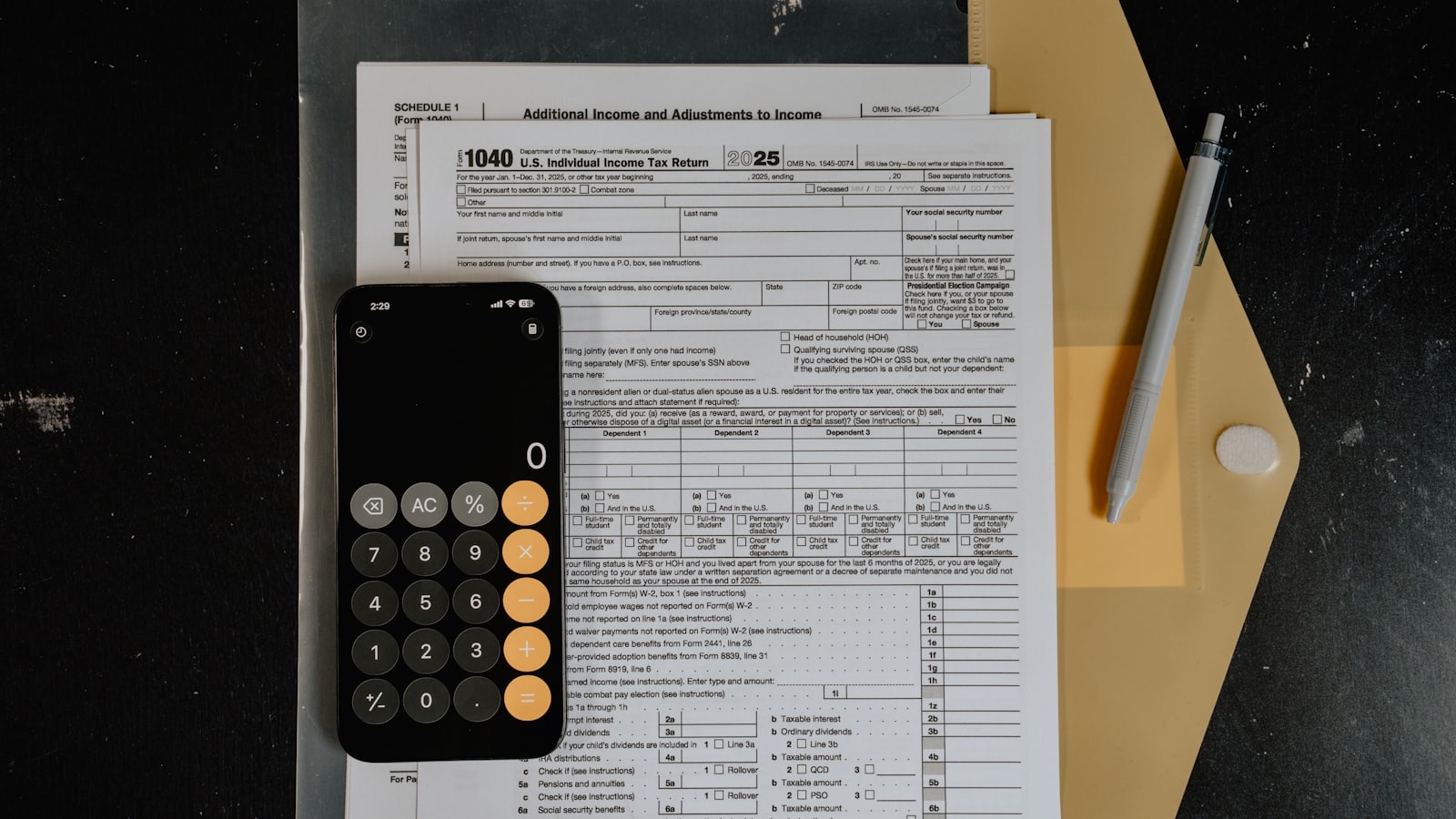







An envelope from the IRS triggers more anxiety than almost any other piece of mail, but most notices are routine and every one is decodable. In the upper-right corner is a notice or letter number — CP2000, CP14, CP501, LT11 — that tells you exactly what the IRS is saying and what it wants. The notice also states the tax year in question, the amount at issue, and a response deadline that is the single most important thing on the page. The IRS sends tens of millions of notices a year, and the large majority are resolved with a timely, documented reply — not an audit, not a courtroom.
The failure mode is almost never the notice itself. It's ignoring it. A CP2000 you don't answer becomes a formal tax assessment. A CP14 you set aside grows with penalties and interest and marches through a fixed sequence of escalating letters that ends in a levy. Reading the code, understanding the window, and responding in writing before the deadline is what keeps a $900 discrepancy from becoming a lien on your bank account. Below are the four notices small-business owners and individual filers see most, and the correct move for each.
First, decode the notice before you react
Every IRS notice follows the same anatomy. Find these four things before you do anything else — they determine both the urgency and the correct response channel.
Locate the notice number
Upper-right corner: CP for computer-generated notices, LT for collection letters. This code tells you exactly what the IRS is claiming.
Confirm the tax year and amount
Notices reference a specific year. Make sure the year and figure match a return you actually filed — mismatches can signal identity theft.
Find the response deadline
This is the load-bearing date. Missing it changes your rights and can convert a proposal into an assessment.
Note the response method and address
The notice specifies how to respond — a written reply to a listed address or fax, an online payment plan, or a phone number. Use the channel the notice directs.
Do not assume the IRS is right, and do not assume it is wrong. IRS notices contain errors, and so do taxpayer returns. Your job is to compare the notice against your own records — the filed return, W-2s and 1099s, bank statements — and respond with facts.
CP2000 — the income-mismatch proposal (not an audit)
The CP2000 is the notice people most often mistake for an audit. It isn't one. It's generated automatically when the income the IRS received from third parties — employers, banks, brokerages, payment processors — doesn't match what you reported. It proposes a change and asks you to agree or disagree.
The CP2000 shows a proposed increase (occasionally a decrease) in your tax and gives you roughly 30 days to respond. If the third-party data is correct and you simply omitted income, you can agree and pay. If it's wrong — a duplicated 1099, a sale reported at gross without its cost basis, income that isn't yours — you dispute it with documentation. What you cannot do is ignore it: after the window closes, the IRS issues a Statutory Notice of Deficiency and the proposed amount becomes assessable. A common, fixable cause is a stock sale where the broker reported the full proceeds but not what you paid — attaching the basis often erases most of the proposed tax.
CP14 and CP501 — you owe a balance
A CP14 is the first bill: you filed a return (or the IRS filed one for you) showing tax due that wasn't paid. A CP501 is a follow-up reminder in the same collection track. Both are about money owed, and both accrue interest and the failure-to-pay penalty until resolved.
| Notice | What it means | Urgency | Right move |
|---|---|---|---|
| CP14 | First notice of an unpaid balance | Moderate — ~21 days to pay | Pay in full, or set up a payment plan online |
| CP501 | Reminder you still have a balance | Rising — collection is progressing | Resolve now; don't wait for the next letter |
| CP503 | Second reminder, more urgent tone | High — nearing enforced collection | Pay or arrange a plan immediately |
| CP504 | Notice of intent to levy state refund / assets | Serious — precedes final levy notice | Act at once; a levy step is near |
If you can't pay the full amount, you are not out of options. Setting up an IRS installment agreement or an online payment plan stops the reminder cascade and, in many cases, reduces the failure-to-pay penalty rate while the plan is active. The worst choice is silence — the notices don't stop, they escalate.
LT11 — the final notice before a levy
The LT11 (its twin is the CP90) is categorically different from the reminders. It is the Final Notice of Intent to Levy and Notice of Your Right to a Hearing. After this notice, the IRS has the legal authority — following a 30-day window — to seize wages, bank accounts, and other property.
- Do not ignore it — this is the last letter before enforced collection begins
- You have the right to request a Collection Due Process (CDP) hearing by filing Form 12153 within 30 days
- Filing a timely CDP request generally pauses levy action while your case is reviewed
- The hearing lets you propose alternatives — installment agreement, offer in compromise, or currently-not-collectible status
- Get professional representation involved before the 30-day window closes, not after
The 30-day CDP window is a genuine protection, but only if you use it in time. A timely Form 12153 both preserves your appeal rights and typically halts the levy while the matter is pending. Miss it, and you lose the hearing right and the pause that comes with it.
Respond in writing, keep the paper trail
For most notices, a documented written response beats a phone call. It creates a record, it forces you to marshal your evidence, and it gives the IRS something concrete to work from.
Do
- Respond by the stated deadline, every time
- Reply in writing with copies (never originals) of supporting documents
- Keep a copy of everything you send and proof of mailing
- Address the exact notice number and tax year in your response
- Get representation for CP2000 disputes and any LT11
Don't
- Ignore the notice or assume it will go away
- Miss the response window — it changes your rights
- Send original documents you can't replace
- Pay a proposed amount you disagree with just to make it stop
- Wait for the next, more urgent letter before acting
An IRS notice is a code with a deadline, not a verdict. Read the notice number, the tax year, the amount, and the response window before you react. A CP2000 is an automated income-mismatch proposal you can agree with or dispute — but must answer within about 30 days. A CP14 is your first bill; pay it or set up a plan within roughly 21 days to stop the escalation through CP501, CP503, and CP504. An LT11 is the final notice before a levy — request a Collection Due Process hearing with Form 12153 inside 30 days to preserve your rights and pause collection. Respond in writing, keep copies, and bring in a professional for disputes and levy notices.
Don't face an IRS notice alone
MK Tax & Accounting decodes your notice, builds the documented response, and negotiates with the IRS on your behalf — so a letter never becomes a levy. Send us the notice and we'll take it from there.
Get help with my noticeSources
- IRS — Understanding Your IRS Notice or Letter (notices and letters index)
- IRS — Understanding Your CP2000 Notice
- IRS — Understanding Your CP14 Notice
- IRS — Notice LT11 / CP90: Intent to Levy and Notice of Your Right to a Hearing
- IRS — Collection Due Process (Form 12153) and Publication 594, The IRS Collection Process
- IRC Section 6330 — Notice and opportunity for hearing before levy
Frequently asked questions
A CP2000 is not an audit. It's an automated proposal that says the income reported on your return doesn't match what third parties (employers, banks, brokerages) reported to the IRS. It proposes a change to your tax and gives you about 30 days to agree or dispute it with documentation. Respond by the deadline even if you disagree — ignoring it lets the proposed amount become a formal assessment.
A CP14 is the first bill for an unpaid balance and generally asks for payment within about 21 days (10 business days if the balance is $100,000 or more). Interest and the failure-to-pay penalty keep accruing until it's paid. If you can't pay in full, you can set up an IRS payment plan online — doing so stops the escalating collection notices.
A CP501 is a reminder that you still have a balance due — an early, low-urgency step in the collection sequence. An LT11 (or CP90) is the Final Notice of Intent to Levy and your right to a Collection Due Process hearing. The LT11 is serious: after 30 days the IRS can levy wages, bank accounts, or other assets. Never ignore an LT11.
Read the notice fully first — the code, the tax year, the amount, and the response deadline are all on it, along with the specific address or fax for a written response. For many notices a written, documented response is stronger than a phone call because it creates a paper trail. Call when the notice invites it or when you need clarification, but always meet the written deadline regardless.
