















A foreign corporation that runs its US operation as a branch — rather than through a US subsidiary — walks into a two-layer tax that catches many companies off guard. The first layer is the ordinary 21% corporate tax on the branch's effectively connected income. The second is the branch profits tax (BPT) under IRC §884: a 30% tax on the branch's after-tax earnings that are treated as repatriated out of the US. Stacked, the two layers can push the combined US federal rate on branch profits toward 44% — before a treaty. With the right treaty, the branch profits tax can fall to 5% or even 0%, dropping the combined rate below that of many US subsidiaries.
The branch profits tax is not a penalty or an obscure trap — it's a deliberate parity mechanism. A US subsidiary that earns profit pays 21% corporate tax and then, when it pays a dividend to its foreign parent, triggers up to 30% dividend withholding. A branch, absent §884, would pay only the 21% and escape the second layer entirely. Congress closed that gap in the Tax Reform Act of 1986 by taxing the branch's dividend equivalent amount — a deemed dividend — so that branches and subsidiaries bear roughly the same total US tax. Understanding how the dividend equivalent amount is computed, and how treaties cut the rate, is the whole game in structuring an inbound US branch.
Two layers: the 21% and the 30% stacked
To see why the branch profits tax matters, trace a dollar of profit through both layers. Suppose a foreign corporation's US branch earns $1,000,000 of effectively connected income. Layer one is the 21% corporate tax: $210,000, leaving $790,000 of after-tax earnings. If none of that is reinvested in the US branch, the full $790,000 becomes the dividend equivalent amount, and layer two — the 30% branch profits tax — takes another $237,000.
| Step | Amount | Running US tax |
|---|---|---|
| Branch effectively connected income (ECI) | $1,000,000 | — |
| Layer 1: 21% corporate tax | -$210,000 | $210,000 |
| After-tax earnings | $790,000 | $210,000 |
| Layer 2: 30% branch profits tax (no treaty) | -$237,000 | $447,000 |
| Net to foreign corporation | $553,000 | $447,000 (≈44.7% effective) |
That roughly 44.7% combined effective rate is the worst case — a non-treaty branch that repatriates everything. It is deliberately close to the burden a US subsidiary would bear (21% corporate tax, then 30% dividend withholding on the distribution). The branch profits tax exists precisely so a company can't dodge the second layer just by choosing a branch. But two levers — treaty relief and reinvestment — can move that number dramatically.
The dividend equivalent amount: what actually gets taxed
The branch profits tax is not levied on all the branch's earnings — only on the dividend equivalent amount (DEA). Conceptually, the DEA is the branch's after-tax effectively connected earnings and profits reduced by any increase in the corporation's US net equity (its US assets minus US liabilities) and increased by any decrease in that equity. In plain terms: earnings you leave invested in the US branch are not deemed repatriated, so they escape the BPT; earnings you pull out are.
Start with effectively connected E&P
Compute the branch's effectively connected earnings and profits for the year — its after-corporate-tax US business earnings.
Subtract increases in US net equity
If the corporation invests more in US branch assets (increasing US net equity), the dividend equivalent amount goes down — earnings reinvested in the US are not treated as repatriated.
Add decreases in US net equity
If the corporation pulls capital out of the US branch (decreasing US net equity), the dividend equivalent amount goes up — the withdrawal is treated as a deemed dividend.
Apply the BPT rate to the result
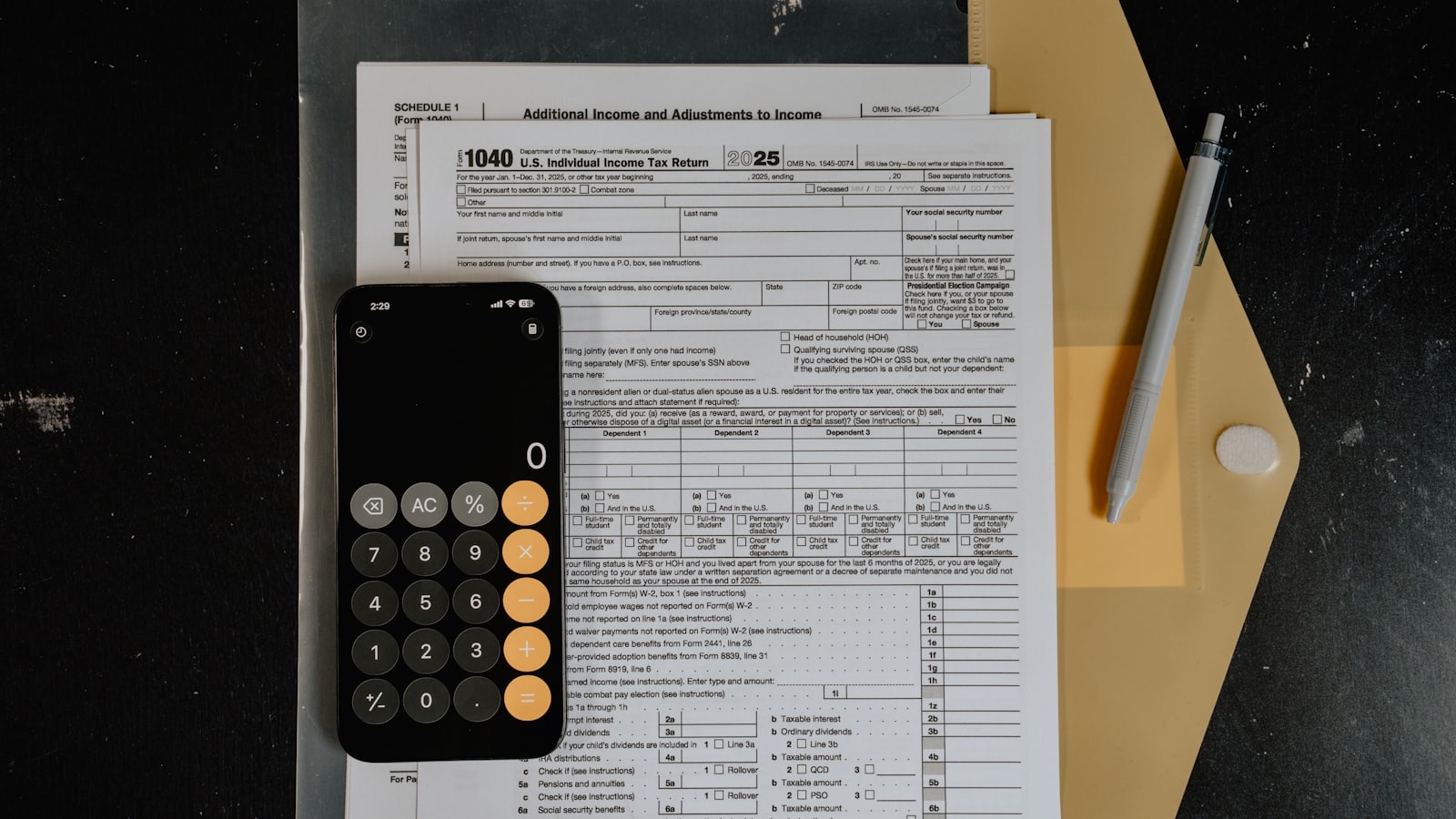
The 30% branch profits tax (or the reduced treaty rate) applies to the resulting dividend equivalent amount, reported on Form 1120-F.
This structure is the planning lever. A branch that is growing — plowing profits back into US inventory, equipment, receivables, or other US assets — increases its US net equity, shrinks its dividend equivalent amount, and defers the branch profits tax. A branch that is harvesting cash back to the parent shows a larger DEA and pays more BPT. The tax follows repatriation, not the mere existence of profit.
Branch vs. subsidiary: the structural choice the BPT forces
Because the branch profits tax equalizes the two structures at the statutory level, the real decision between a US branch and a US subsidiary turns on treaties, losses, and administrative simplicity — not on avoiding a second layer of tax.
US branch of a foreign corporation
- 21% corporate tax on ECI + 30% branch profits tax on the DEA
- US losses can offset the foreign parent's other income (home-country rules permitting)
- No separate US entity to form and maintain
- Reinvested US earnings defer the branch profits tax
- Treaty can cut the BPT to 5% or 0%
US subsidiary (C-corporation)
- 21% corporate tax, then up to 30% dividend withholding on distributions
- Losses are trapped in the US subsidiary
- Separate US entity — formation, governance, and filings
- Liability of the US business is ring-fenced from the parent
- Treaty can cut the dividend withholding to 5% or 0%
Many US income tax treaties expressly reduce the branch profits tax rate to match — or beat — the treaty's direct-dividend rate, commonly 5%, and in some cases 0%. To claim it, the foreign corporation must be a qualified resident of the treaty country and clear the treaty's limitation-on-benefits (LOB) tests. When a favorable treaty applies, a branch can end up with a lower combined US tax cost than a subsidiary — and with the added benefit that US losses may flow up to the parent. The treaty analysis, not a rule of thumb, decides which structure wins.
Reducing the branch profits tax: the practical levers
The branch profits tax is one of the more plannable taxes in the inbound toolkit, because its base — the dividend equivalent amount — responds directly to how the company deploys its US earnings and which treaty it lives under.
- Reinvest branch earnings in US assets to increase US net equity and shrink the dividend equivalent amount
- Establish residency in a treaty jurisdiction that reduces the BPT rate to 5% or 0%
- Satisfy the treaty's limitation-on-benefits and qualified-resident requirements, and claim the reduced rate on Form 1120-F
- Model the branch-vs-subsidiary choice on total US tax, loss utilization, and liability — not on the second layer alone
- Track effectively connected earnings and profits and US net equity contemporaneously, so the DEA computation is defensible
The branch profits tax rewards patient capital. Because reinvested earnings raise US net equity and defer the tax, a foreign company that intends to grow its US operation for several years can legitimately defer most of the branch profits tax during the build-out phase — then re-examine the structure (including a possible incorporation of the branch into a subsidiary) when it's ready to repatriate cash. The key is documenting the effectively connected E&P and US net equity every year so the deferral holds up.
Treat the US branch as a two-layer tax and plan the second layer deliberately. Layer one is the 21% corporate tax on the branch's ECI; layer two is the 30% branch profits tax on the dividend equivalent amount — the after-tax earnings not reinvested in the US branch. Shrink the DEA by reinvesting earnings to raise US net equity, and cut the rate by qualifying for a treaty that drops the BPT to 5% or 0%. Then run the branch-vs-subsidiary decision on total US tax, loss use, and liability — because with a good treaty a branch can beat a subsidiary. Document effectively connected E&P and US net equity every year, and claim the treaty rate on Form 1120-F.
Running a US branch — or deciding whether to?
Talk to our team about your situation — the branch-versus-subsidiary decision and the treaty rate you may qualify for are worth working through before you file Form 1120-F.
Talk to an inbound tax proSources
- IRC Section 884 — Branch profits tax
- IRS — Instructions for Form 1120-F, U.S. Income Tax Return of a Foreign Corporation
- Treas. Reg. 1.884-1 — Branch profits tax and the dividend equivalent amount
- Tax Reform Act of 1986 — enactment of the branch profits tax
- IRC Section 884(e) — Treaty coordination and qualified resident requirements
- IRS Publication 519 — U.S. Tax Guide for Aliens (foreign corporation overview)
Frequently asked questions
The branch profits tax (IRC §884) is a second layer of US tax on a foreign corporation that operates in the US through a branch rather than a subsidiary. On top of the 21% corporate tax on the branch's effectively connected income, a 30% tax applies to the branch's 'dividend equivalent amount' — the after-tax earnings deemed repatriated out of the US. It mimics the withholding tax that would apply if a US subsidiary paid a dividend to its foreign parent.
Without it, a foreign corporation could avoid the second layer of US tax that a US subsidiary faces. A US subsidiary pays 21% corporate tax, then 30% withholding when it sends a dividend to its foreign parent. A branch pays only the 21% — so Congress added the branch profits tax in 1986 to put branches and subsidiaries on roughly equal footing.
Yes. Many US income tax treaties reduce the 30% branch profits tax rate — often to 5% or 0% — mirroring the treaty's reduced rate on direct dividends. To claim the reduced rate, the foreign corporation must be a qualified resident of the treaty country and satisfy the treaty's limitation-on-benefits provisions. The claim is made on the corporation's Form 1120-F.
The branch profits tax falls on the 'dividend equivalent amount' — after-tax ECI that is NOT reinvested in the US branch. Reinvesting earnings back into US branch assets increases the corporation's US net equity and reduces the dividend equivalent amount, deferring the tax. Choosing a subsidiary structure, or operating from a favorable treaty jurisdiction, are the other primary levers. The right choice depends on the treaty rate and the business's cash-flow needs.
