















If you have cross-border intercompany transactions, the single most valuable thing you can do is prepare contemporaneous transfer-pricing documentation — a study, in existence by the time you file, that explains how you priced those transactions at arm's-length and why your method is reasonable. Its purpose is specific and financial: under IRC §6662(e), a large transfer-pricing adjustment can carry a penalty of 20% or 40% of the resulting tax underpayment, and adequate contemporaneous documentation is the recognized way to avoid that penalty. The IRS may still adjust your pricing, but with a proper study in hand, it generally cannot stack the §6662(e) penalty on top. Without one, a routine adjustment can turn into a penalty-loaded assessment.
The word that carries the weight is contemporaneous. Documentation assembled after the IRS opens an examination does not qualify — the study has to have existed when you filed, and you must provide it within 30 days of an IRS request. Beyond the penalty shield, documentation is also how you organize the two disclosures the IRS actually sees: the master file / local file framework that structures your analysis, and Form 5472, the information return that reports related-party transactions and carries its own $25,000 penalty for non-filing. Understanding how these three pieces fit together is the difference between a defensible position and an expensive surprise.
Why documentation is really about penalties, not paperwork
It helps to be clear about what documentation does and does not do. It does not prevent the IRS from re-pricing your transactions under §482 — the IRS keeps that authority regardless of what you file. What documentation does is decouple the penalty from the adjustment. A taxpayer with a reasonable, contemporaneous study who nonetheless gets adjusted pays the additional tax and interest but escapes the §6662(e) penalty. A taxpayer with no study who gets the same adjustment can pay the tax, the interest, and a 20% or 40% penalty on top.
Transfer-pricing documentation is penalty insurance. For the modest cost of a study prepared before you file, you convert a worst-case audit outcome — tax plus interest plus a 40% penalty — into a manageable one — tax plus interest only. That asymmetry is why documentation is worth doing even when you are confident your pricing is right.
What a §6662(e) penalty actually costs
The penalty scales with the size of the adjustment relative to your reported pricing. There are two tiers — a substantial misstatement and a gross one — and they attach to the underpayment, so a single large adjustment can generate a penalty measured in real money.
| Trigger | Penalty on the underpayment |
|---|---|
| Substantial valuation misstatement | 20% |
| Gross valuation misstatement | 40% |
| Adequate contemporaneous documentation on file | Penalty generally avoided |
| No documentation, substantial adjustment | Full 20% or 40% applies |
The exact dollar thresholds that classify a misstatement as "substantial" versus "gross" are set by statute and adjust over time, so the practical takeaway is not the precise cutoff — it is that once an adjustment crosses into penalty territory, the only thing standing between you and the 20% or 40% add-on is the documentation you prepared before filing.
The master file / local file model
Larger multinationals and many mid-sized ones organize their documentation using a two-tier structure adopted from the OECD framework. The two files answer different questions and are meant to be read together.
Master file — the group view
- High-level overview of the entire multinational group
- Organizational and legal structure of all entities
- Description of each business line and value drivers
- The group's overall transfer-pricing policies
- Where intangibles and financing sit across the group
Local file — the entity view
- Focused on one entity's controlled transactions
- Detail on each intercompany transaction and its terms
- The transfer-pricing method chosen and why
- The comparables and economic analysis supporting the price
- Financial data tying the analysis to the return
The master file paints the group-wide picture; the local file proves the arm's-length result for the specific transactions of one company. For a smaller U.S. multinational, a well-built local file — with the method, the comparables, and the reasoning — is often the core of the penalty-protection package, whether or not a full formal master file is required.
Building documentation that actually protects you
Documentation earns its penalty protection only if it does the substantive work — not a template with the numbers dropped in. The regulations expect a genuine analysis, prepared before filing and kept current as the business changes.
Identify the controlled transactions
List every intercompany transaction — goods, services, loans, royalties — and the related parties on each side.
Select and justify a method
Choose the best method under the §482 rules and explain why it is more reliable than the alternatives for your facts.
Build the comparables analysis
Assemble screened third-party comparables, make adjustments for material differences, and derive the arm's-length range.
Prepare it before you file
Complete the study so it exists contemporaneously with the return, and keep it ready to produce within 30 days of an IRS request.
The most common and most costly documentation failure is timing. A study built after the IRS opens an examination does not qualify for penalty protection, no matter how good the analysis is. The regulations require the documentation to exist when the return is filed. Refresh it annually — comparables go stale, businesses change, and last year's study may not support this year's pricing.
Where Form 5472 fits in
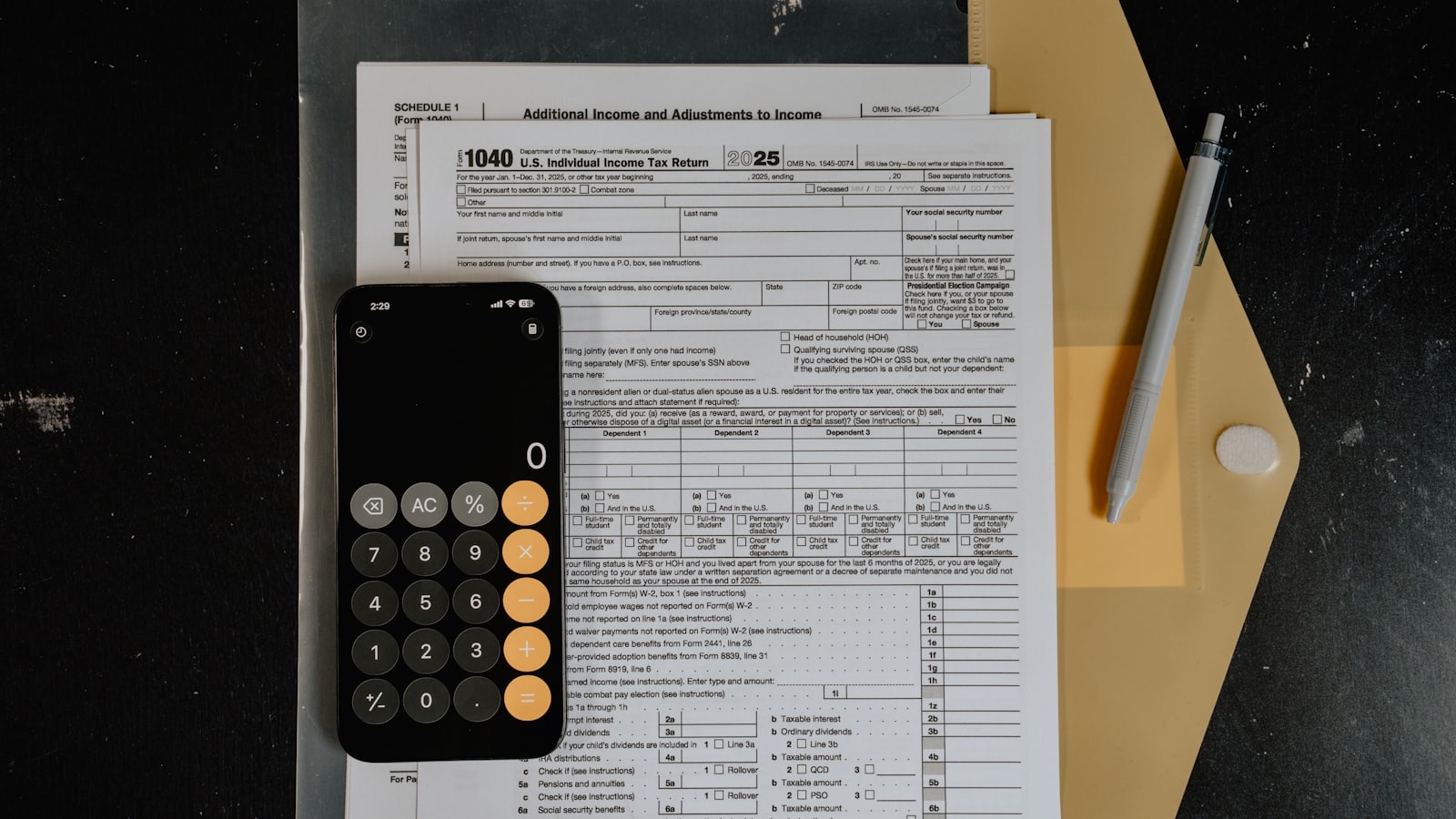
Documentation is the analysis you keep on file; Form 5472 is the disclosure you actually file with the IRS. It reports "reportable transactions" — sales, services, rents, royalties, loans, and interest — between a U.S. entity and its foreign related parties. It is required of a U.S. corporation that is 25% foreign-owned, a foreign corporation engaged in U.S. business, and, since a 2017 rule change, a foreign-owned U.S. single-member LLC that many owners wrongly assume has no filing duty.
- File it with the entity's income tax return (a foreign-owned SMLLC files a pro forma Form 1120 with the 5472 attached)
- Report each category of reportable transaction with the foreign related party
- The penalty for failing to file, or filing a substantially incomplete form, is $25,000 per form
- An additional $25,000 can apply for continued failure after IRS notice
- It is informational — but the penalty for ignoring it is real and steep
Treat Form 5472 and your transfer-pricing documentation as one workflow, not two. The intercompany transactions you analyze in the documentation are the same ones you disclose on the 5472 — so prepare them together, before the filing deadline. Missing the 5472 is an easy, avoidable $25,000 mistake, and it often signals to the IRS that the underlying pricing was never analyzed either.
Document once, sleep well
Turn a 40% penalty risk into tax-and-interest only
Talk to our team about your situation — we can help make sure Form 5472 is filed on time, and point you toward the kind of documentation that keeps a §6662(e) penalty off the table.
Talk to a tax proSources
- IRC Section 6662(e) and 6662(h) — Substantial and gross valuation misstatement penalties
- Treasury Regulations Section 1.6662-6 — Transactions between persons described in §482 and net §482 adjustments
- IRC Section 6038A and IRS Instructions for Form 5472
- IRS — Transfer Pricing Documentation Best Practices (IRS.gov Transfer Pricing)
- OECD Transfer Pricing Guidelines — Master File / Local File documentation (BEPS Action 13)
Frequently asked questions
It is a transfer-pricing study prepared and in existence by the time you file the tax return, showing that you chose a reasonable method and priced your intercompany transactions at arm's-length. 'Contemporaneous' means it existed when you filed — not something assembled later during an audit. It is the key to avoiding §6662(e) penalties.
The §6662(e) transfer-pricing penalty (20% or 40% of the underpayment) can be avoided if you had reasonable, contemporaneous documentation supporting your method and made it available to the IRS within 30 days of request. Even if the IRS adjusts your pricing, adequate documentation generally protects you from the penalty itself.
They are the two tiers of the OECD-style documentation model many multinationals follow. The master file gives a high-level overview of the whole group — its structure, businesses, and global transfer-pricing policies. The local file focuses on the specific intercompany transactions of one entity, with the detailed analysis and comparables supporting each one.
Form 5472 reports reportable transactions between a U.S. entity and its foreign related parties. It must be filed by a U.S. corporation that is 25% foreign-owned, a foreign corporation doing business in the U.S., and — since 2017 — a foreign-owned single-member LLC. Failing to file, or filing late, carries a penalty of $25,000.
