














A 1031 exchange — named for Section 1031 of the Internal Revenue Code — is the single most powerful tax-deferral tool available to real-estate investors. Sell an investment property, reinvest the proceeds in a like-kind replacement, and you defer the entire tax bill: the federal long-term capital gains tax of 15% or 20%, the 25% maximum rate on unrecaptured depreciation, and the 3.8% net investment income tax where it applies. Nothing is forgiven; the gain rides along in a lower carryover basis until you eventually cash out. Investors who keep exchanging can defer indefinitely, and heirs who inherit the property receive a stepped-up basis that can erase the deferred gain entirely.
For Florida investors the math is even cleaner. Florida levies no state income tax and no state capital gains tax, so a 1031 exchange here defers only federal tax — there's no separate Florida clawback to plan around. But the deferral is not automatic. The exchange must run through a qualified intermediary, hit strict 45-day and 180-day deadlines, and involve genuine like-kind investment property. Miss a mechanical step and the IRS treats the whole thing as an ordinary taxable sale.
How a 1031 exchange actually works
A like-kind exchange is not a two-party swap in practice. Almost every modern exchange is a delayed exchange: you sell your property to a buyer, a qualified intermediary holds the cash, and you use that cash to buy a replacement from a seller. The intermediary sits in the middle so you never take receipt of the money.
To fully defer the gain, two things must be true. First, the replacement property must be of equal or greater value than the property you sold. Second, you must reinvest all the net proceeds and replace any debt that was paid off. If you buy down in value or pull cash out, the shortfall is taxable — that leftover is called boot.
Engage a qualified intermediary before closing
You must have the QI agreement in place before you sell. Setting one up after you've already received the proceeds is too late — the exchange is dead.
Sell the relinquished property
At closing, the net proceeds go directly to the qualified intermediary, not to you. The 45-day and 180-day clocks start on this closing date.
Identify replacement property within 45 days
Put your candidate replacement property in writing to the QI within 45 days of the sale, following the identification rules.
Close on the replacement within 180 days
The QI wires the held funds to acquire the property you identified. Buy equal-or-up in value and reinvest all the cash to defer 100% of the gain.
Report the exchange on Form 8824
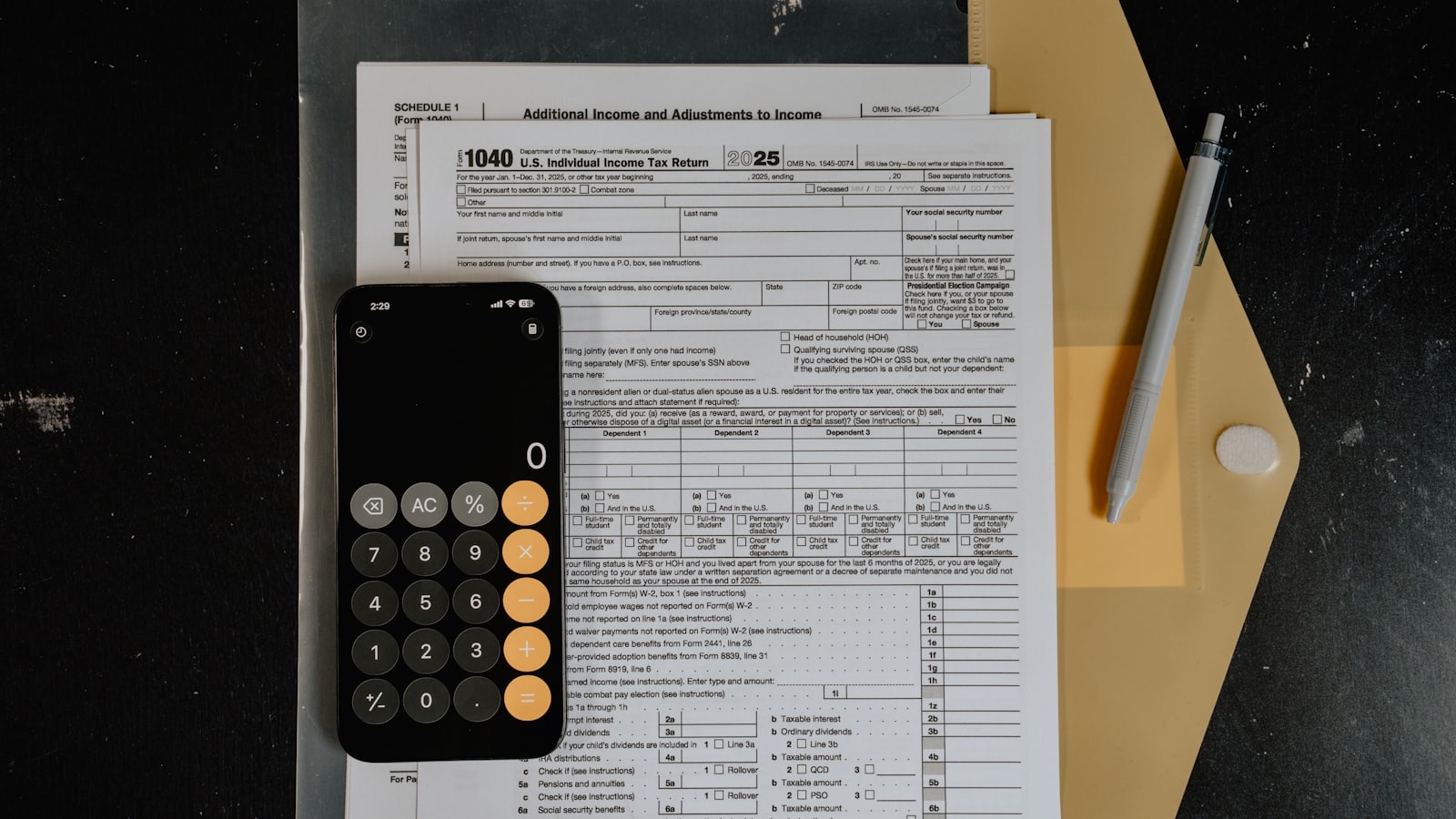
File Form 8824 with your return for the year of the exchange, reporting the deferred gain and your carryover basis in the new property.
What property qualifies — and what doesn't
The 2017 Tax Cuts and Jobs Act narrowed Section 1031 to real property only. Machinery, equipment, vehicles, artwork, and other personal property lost 1031 treatment after 2017. For real-estate investors, though, the qualifying rule is generous: virtually any U.S. real property held for investment or business use is like-kind to any other.
| Property | Qualifies for 1031? |
|---|---|
| Rental condo, single-family rental, or duplex | Yes — held for investment |
| Office building, retail strip, warehouse | Yes — held for business use |
| Raw land held for appreciation | Yes |
| Farm or ranch land | Yes |
| Your primary residence | No — personal use, not investment |
| A fix-and-flip held mainly for resale | No — inventory, not investment |
| Property outside the United States | No — foreign real estate is not like-kind to U.S. real estate |
| Stocks, partnership interests, or REIT shares | No — not real property |
The like-kind standard for real estate is about the nature of the property, not its grade or use. A raw parcel is like-kind to a leased office tower; a single rental house is like-kind to a portfolio of them. What matters is that both the relinquished and replacement properties are held for investment or productive business use — not for personal enjoyment or quick resale.
The qualified intermediary — the non-negotiable middleman
The rule that trips up the most do-it-yourself investors is the constructive receipt rule. The moment you have the right to control the sale proceeds — even for an afternoon — the exchange collapses and the full gain is taxed. That is why a qualified intermediary (QI), sometimes called an accommodator, is effectively mandatory.
The qualified intermediary receives the proceeds from your sale directly at closing, holds them in a segregated account, and releases them only to acquire your replacement property. If the funds pass through your bank account, or your attorney or agent hands them to you, the IRS treats it as a completed taxable sale — no exchange. The QI must also be independent: your own accountant, attorney, real-estate agent, or a relative who has served you in the past two years generally cannot act as your QI.
A QI does more than hold cash. They draft the exchange agreement, assign the purchase and sale contracts, receive your written identification of replacement property, and coordinate the closings so the paper trail supports the deferral. Because a QI holds large sums of your money, vet them for bonding, fidelity insurance, and segregated qualified escrow accounts before you hand over a dollar.
Depreciation recapture — the tax people forget about
Investors focus on capital gains and overlook the second tax a 1031 exchange defers: depreciation recapture. Every year you own a rental, you deduct depreciation, which lowers your basis. When you sell, the portion of your gain attributable to that depreciation — unrecaptured Section 1250 gain — is taxed at a federal rate of up to 25%, higher than the 15% or 20% long-term capital gains rate.
Sell outright — taxable
- Capital gain taxed at 15% or 20% federally
- Depreciation recapture taxed at up to 25%
- 3.8% net investment income tax may also apply
- Cash left to reinvest is reduced by the full tax bill
- No Florida state tax — but the federal hit still lands
1031 exchange — deferred
- Capital gain deferred into the replacement property
- Depreciation recapture deferred along with it
- Net investment income tax deferred too
- Full pre-tax proceeds available to reinvest
- Basis and depreciation schedule carry over to the new property
On a property held for a decade or more, deferred depreciation recapture can be a bigger number than the appreciation gain. A 1031 exchange defers both in one move, letting you redeploy the entire pre-tax amount — which is where the compounding advantage of exchanging comes from.
Common ways a Florida exchange goes wrong
Most failed exchanges fail on execution, not eligibility. The property qualified and the intent was right — but a deadline slipped or cash leaked out.
- Receiving the sale proceeds directly instead of routing them through a qualified intermediary
- Missing the 45-day identification window — there are no extensions for weekends or holidays
- Buying a replacement property of lower value and creating taxable boot
- Pulling cash out at closing rather than reinvesting all the net proceeds
- Failing to replace debt that was paid off on the relinquished property
- Trying to exchange a primary residence or a property held mainly to flip
- Setting up the QI after the sale has already closed
A 1031 exchange defers federal capital gains tax, depreciation recapture, and the net investment income tax — and in Florida, with no state income tax, that federal deferral is the whole game. To capture it: engage a qualified intermediary before you sell, keep your hands off the proceeds, identify replacement property in writing within 45 days, close within 180 days, buy equal-or-up in value, and reinvest every dollar. Report it on Form 8824. Executed cleanly, an exchange lets you compound the full pre-tax value of your real estate across a lifetime — and a stepped-up basis at death can wipe the deferred tax away for your heirs.
Plan your 1031 exchange before you list
A like-kind exchange only works if the deadlines, the qualified intermediary, and Form 8824 all line up correctly. Talk to our team before you list the property so your deferral holds up.
Talk to a tax proSources
- IRS — Like-Kind Exchanges Under IRC Section 1031 (Fact Sheet FS-2008-18) and Form 8824 Instructions
- IRC Section 1031 — Exchange of Real Property Held for Productive Use or Investment
- IRS — Publication 544, Sales and Other Dispositions of Assets (depreciation recapture / unrecaptured Section 1250 gain)
- Tax Cuts and Jobs Act of 2017 (Public Law 115-97) — limitation of Section 1031 to real property
- IRS — Publication 550, Investment Income and Expenses (net investment income tax)
Frequently asked questions
A 1031 exchange, named for Internal Revenue Code Section 1031, lets you sell an investment or business real-estate property and reinvest the proceeds in a like-kind replacement property without recognizing the capital gain in the year of sale. The tax isn't forgiven — it's deferred, with your basis carrying over to the new property until you eventually sell without exchanging.
No. Florida has no state personal income tax and no state capital gains tax, so the only tax a 1031 exchange defers for most Florida individual investors is federal — including the 15% or 20% long-term capital gains rate, the 25% maximum rate on unrecaptured depreciation, and the 3.8% net investment income tax where it applies.
Since the 2017 Tax Cuts and Jobs Act, only real property held for productive use in a trade or business or for investment qualifies. Real estate is broadly like-kind to other U.S. real estate — a rental condo can be exchanged for raw land, an office building, or a strip mall. Your primary residence, property held mainly for resale, and personal property no longer qualify.
If you take actual or constructive receipt of the sale proceeds, the exchange fails and the entire gain becomes taxable. A qualified intermediary holds the funds between the sale and the purchase so you never touch them, and prepares the exchange documents. Using one is effectively mandatory for a deferred exchange.
